
500.000+
Yönetilen ürünler

500.000+
Yönetilen ürünler
Garanti
Tüm ürünlerde 12 ay
hızlı teslimat
Her zaman ve her yerde
4,9
Ortalama yorumlar
Her yer
Dünya çapında destek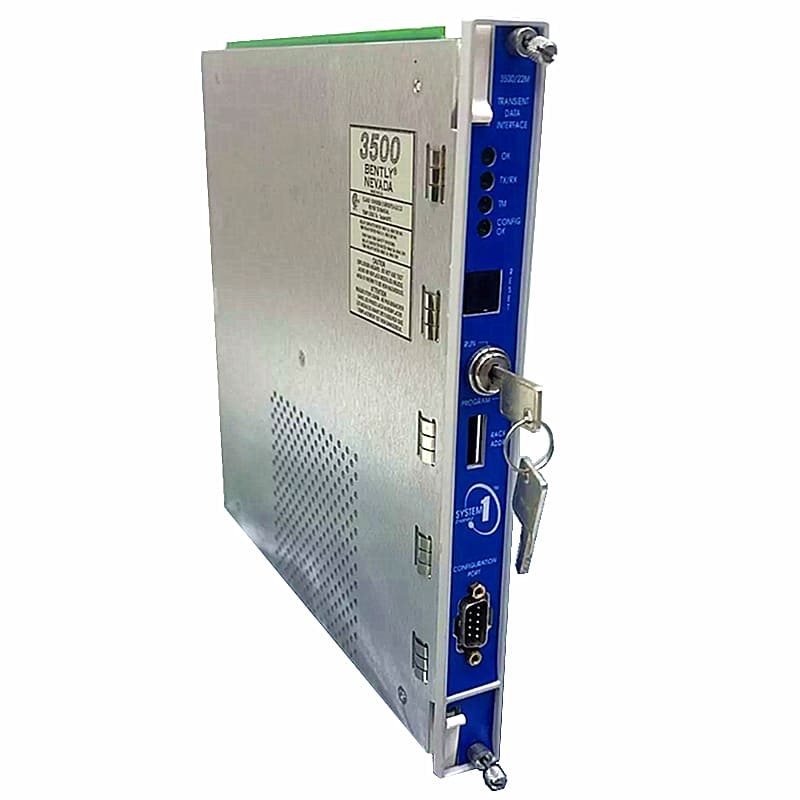
3500 System, Proximity Probes, Sensors & Transducer Systems, AHM Sensors, Accelerometers, etc.
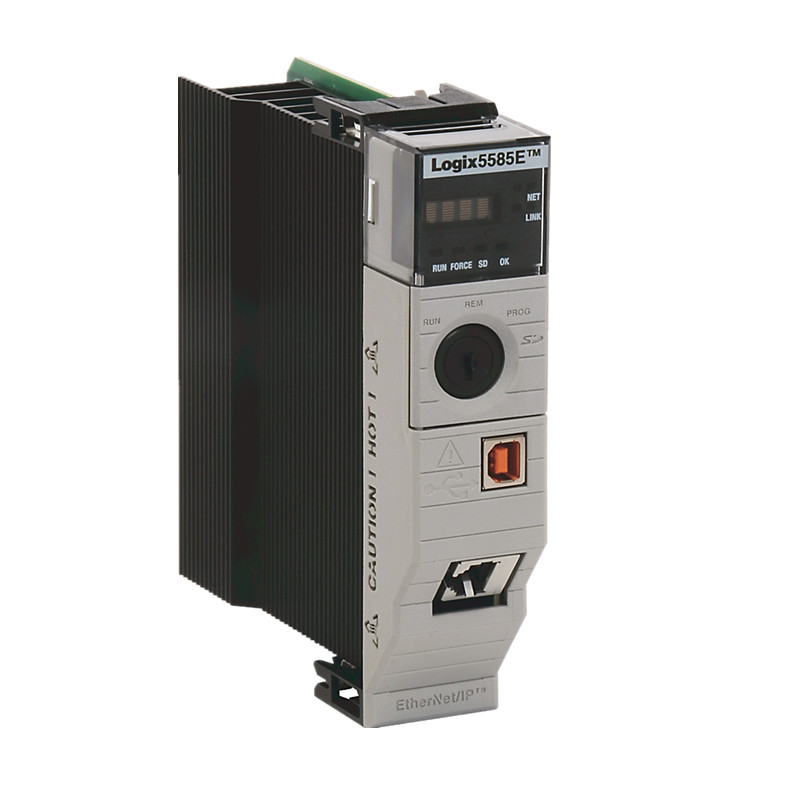
ControlLlogix, CompactLogix, Flex I/O vb.
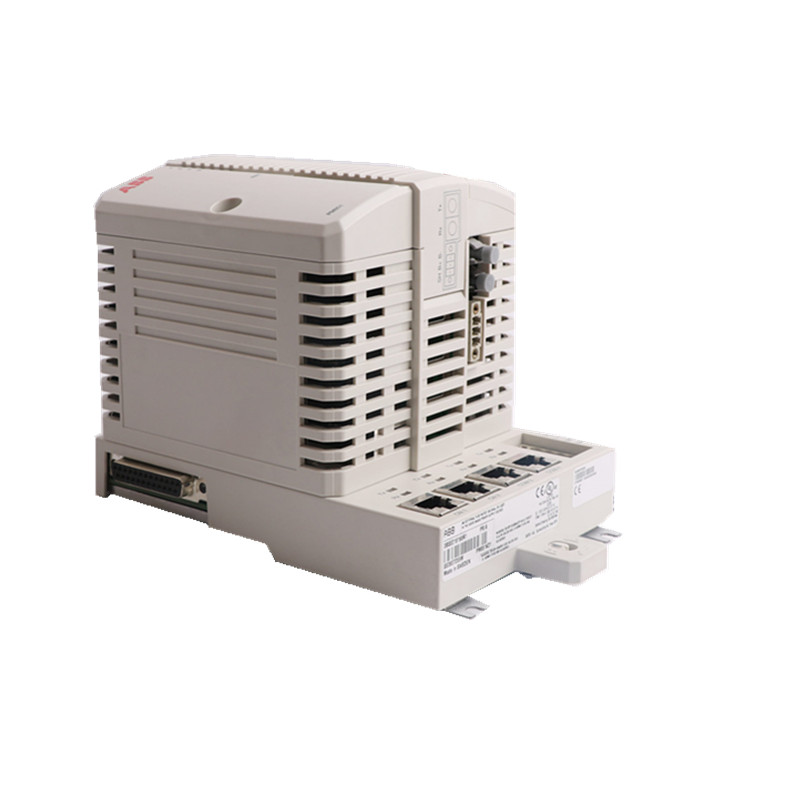
DCS 800xA, AC500, S700, S800, S900 vb.
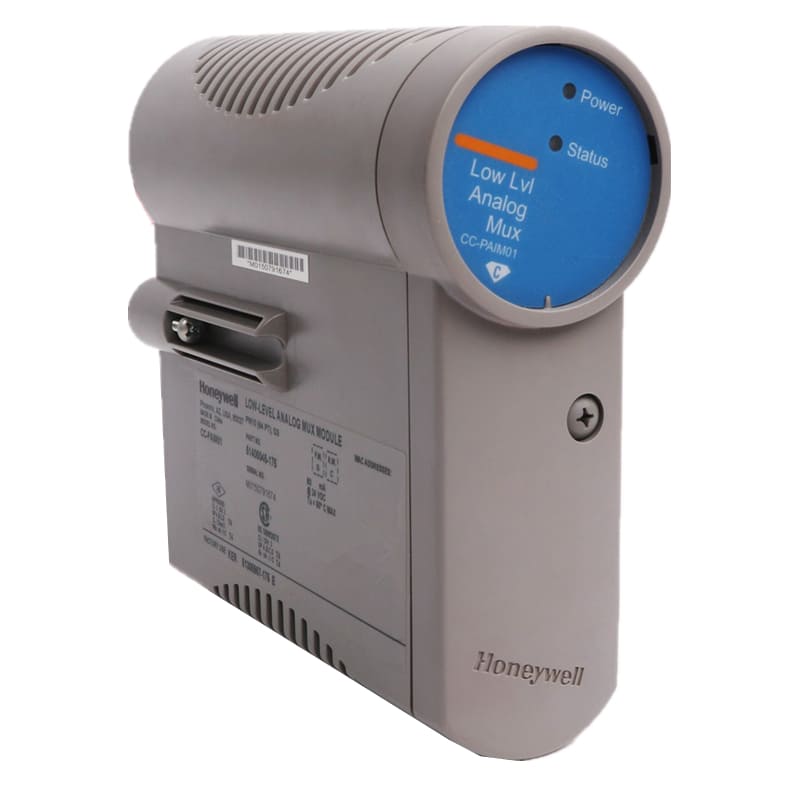
Experion PKS C300, HC900 vb.
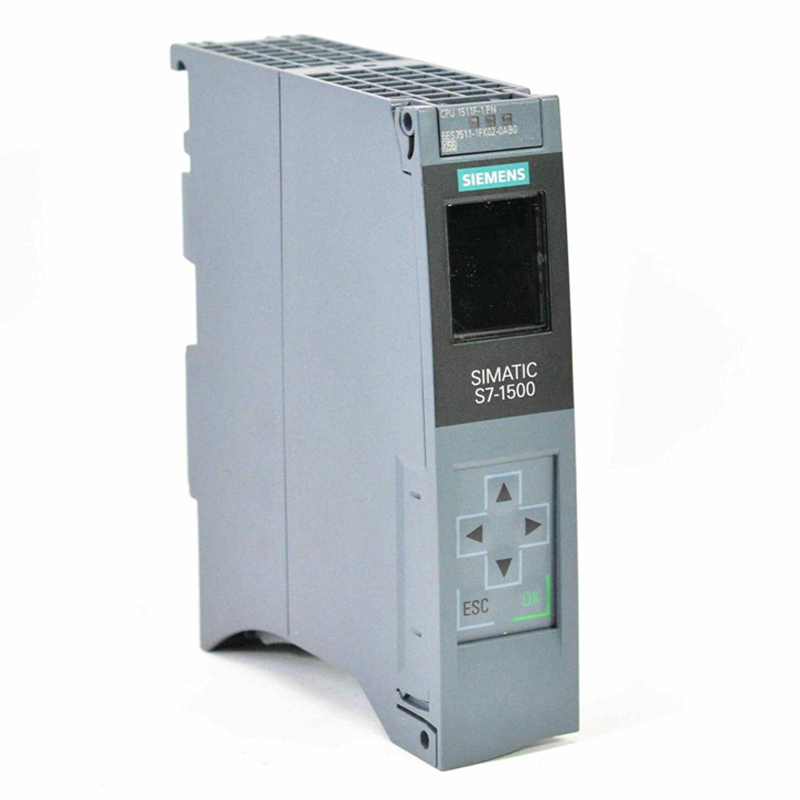
Simatc S7-200, Sh-400, Sh-1200, Sh-1500, Hmi, H.
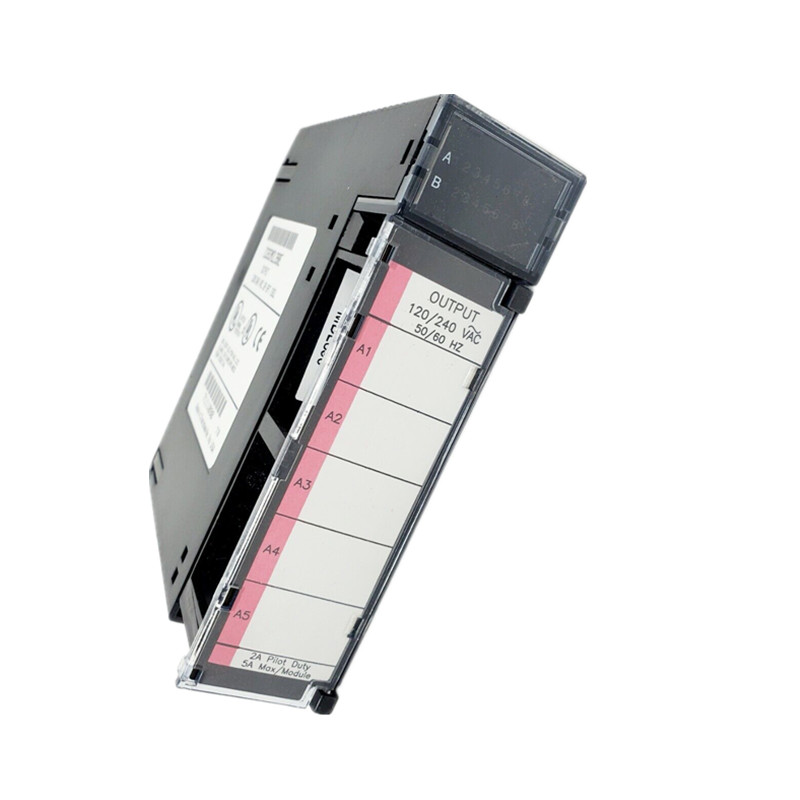
90-70, 90-30, PACSystems* RX7i, RX3i, VersaMax PLC, vb.
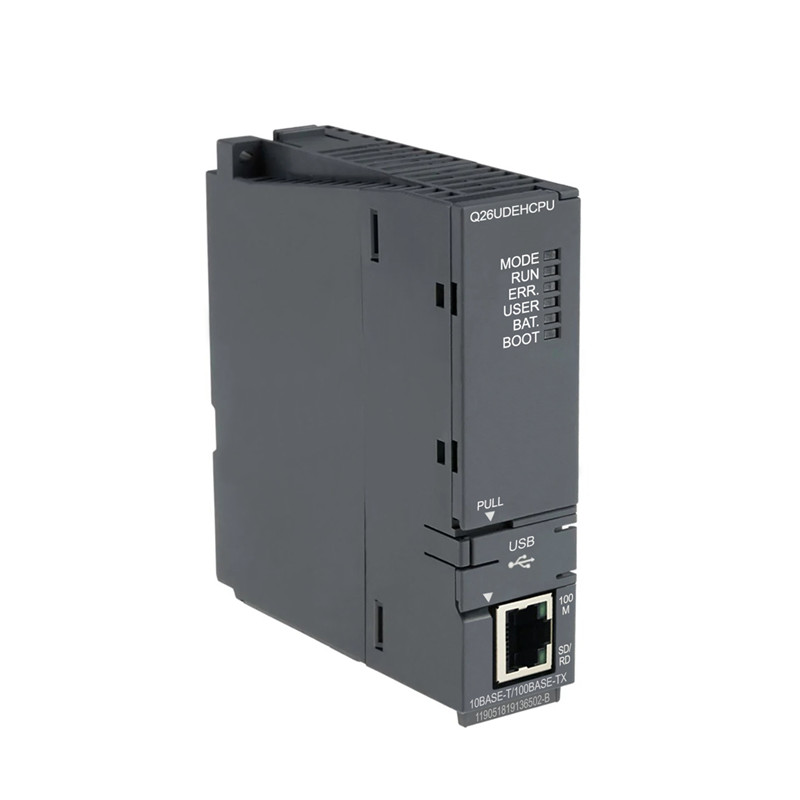
MELSEC-Q Serisi, MELSEC-F Serisi, MELSEC iQ-F Serisi vb.
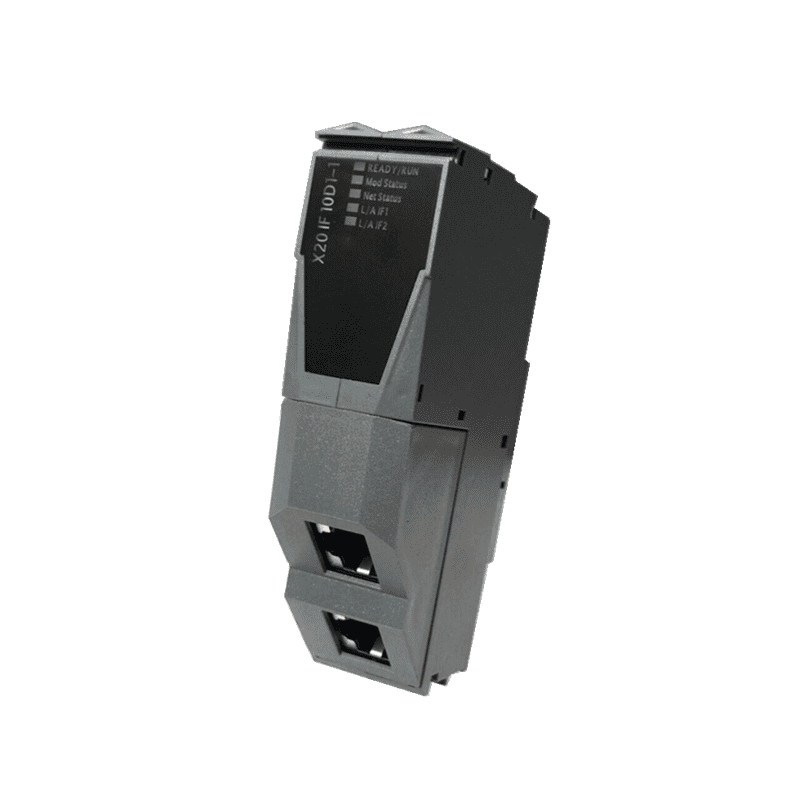
PLC Sistemi, I/O Sistemi, X20 Sistemi, X67 Sistemi, vb.
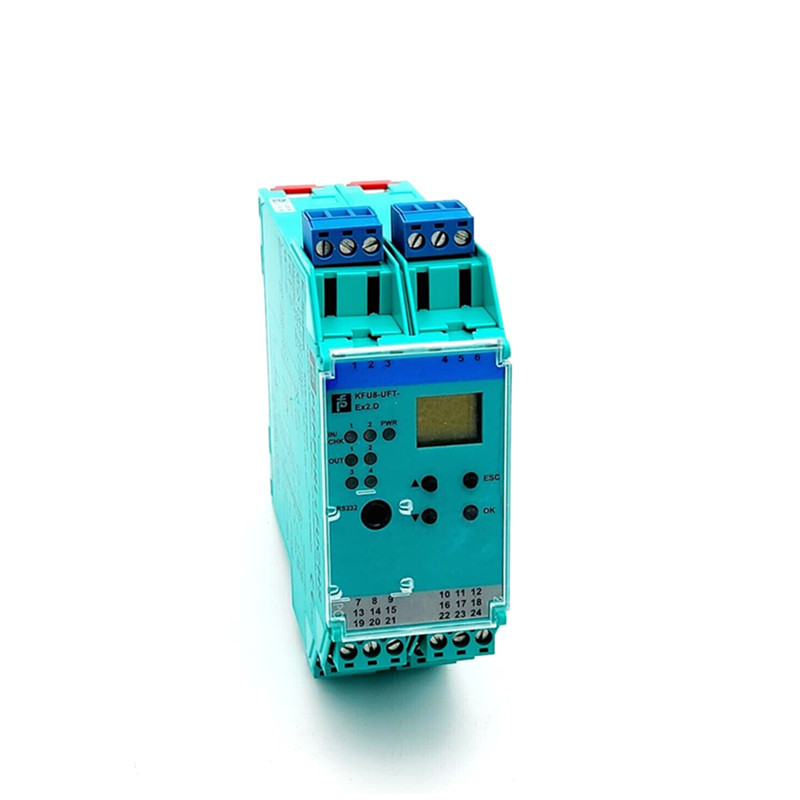
İzole Bariyerler (K-Sistemi), vb.

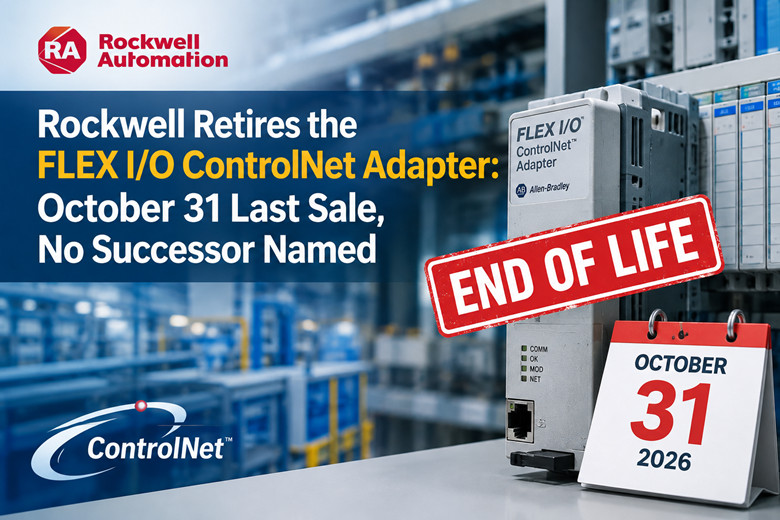
*Sektör haberleri | 12 Ekim 2026*Rockwell Automation, FLEX I/O ControlNet adaptörünün üretiminin 31 Ekim 2026'da durdurulacağını açıkladı ve yerine geçecek bir ürün henüz belirlenmedi. Etkilenecek parça numaraları, standart ControlNet adaptörü olan 1794-ACN15 ve yedekli ortam sürümü olan 1794-ACNR15'tir.Bu da fabrikaya son bir alım yapması için bugünden itibaren yaklaşık üç hafta süre tanıyor. Ondan sonra adaptör Rockwell'in kataloğundan kaldırılıyor ve yerine yenisini bulmanın tek yolu, distribütörlerin ve bağımsız tedarikçilerin stoklarında kalan ürünleri temin etmek oluyor.Durmuş bir üretim hattı, geçiş planının ne kadar zekice olduğunu umursamaz. Raftaki adaptörün uyup uymadığını önemser. Bu nedenle 31 Ekim tarihi bir mühendislik notu değil, bir satın alma siparişi son tarihidir ve üç hafta içinde teslim edilir.Ne kadar hisse alacağınıza karar vermeden önce resmin geri kalanını okuyun. ControlNet adaptörü, daha geniş bir FLEX I/O emeklilik döngüsünün bir parçasıdır ve kalan ürünlerin teslim süreleri, aslında ne kadar esneklik payınız olduğunu gösterir. Önemli olan tarih 31 Ekim'dir.31 Ekim, 1794-ACN15 ve 1794-ACNR15 modellerinin Rockwell'den sipariş edilebileceği son gündür. Ürün sayfasında, bu durdurma tarihiyle birlikte "Ömrünün Sonu" yaşam döngüsü durumu belirtilmiş olup, ifade yoruma yer bırakmayacak kadar açık: "Rockwell Automation, 31 Ekim 2026 tarihinden itibaren Flex ControlNet Adaptörünün üretiminin durdurulacağını ve artık satışta olmayacağını duyurur. Müşterilerin etkilenen ürün(ler)e yapılan referansları kaldırmaları önerilir."Son cümleyi iki kez okumakta fayda var. Rockwell size parça numarasını çizimlerinizden, malzeme listelerinizden ve bakım prosedürlerinizden silmenizi söylüyor. Yerine ne koymanız gerektiğini söylemiyor.Ürün sayfasındaki yedek parça kategorisi "Mühendislik Yedek Parçası" olarak belirtilmiş. Bu, bu donanıma sahip olan herkes için spesifik ve faydasız bir ifade. İşlevsel bir yedek parça takılıp aynı işi yapar. Mühendislik yedek parçası ise işin hala yapılabileceği, ancak tasarımın değiştiği ve tasarım işini yapan kişilerin bakım bütçesini elinde tutan kişiler olmadığı anlamına gelir.Yedek parça numarası belirtilmemiş. Bu, bu ayki satın alma kararınızı etkileyecek en önemli detay olmalı.Bir tedarikçi bir yedek parça belirttiğinde, buna göre plan yapabilirsiniz. Veri sayfasını okursunuz, boyutları kontrol edersiniz, tezgah için bir tane sipariş edersiniz ve neyin bozulduğunu öğrenirsiniz. Yedek parça alanı boş olduğunda, geçiş planını siz yazarsınız ve bunu size hangi yolu izleyeceğinizi söyleyen bir tedarikçi olmadan yaparsınız.Eski ControlNet sistemini, çalıştığı ve sermaye onayının farklı bir on yılda alındığı için kullanmaya devam eden bir tesis için, platform sorusu işte tam bu noktada gündeme geliyor. Ya mevcut sistemin ömrünü uzatmak için hazır stok satın alırsınız ya da ControlNet altyapısının, sizin belirlemediğiniz bir geri sayım sürecine girdiğini kabul edersiniz.Her iki durumda da geri sayım gerçek. Rockwell satışları durdurdu. Sahadaki her adaptör artık, normal kanallardan satın alarak çözemeyeceğiniz bir soruna dönüşme tehlikesiyle karşı karşıya.Üretimi durdurulan ve durdurulmayan ürünler neler?Emekliye ayrılma süreci tüm FLEX I/O adaptörlerini aynı anda etkilemiyor ve tarihler arasındaki boşluklar, tarihlerin kendisinden daha önemli. İşte model listesi ve her birinin raf için ne anlama geldiği.1794-ACN15, FLEX I/O ControlNet adaptörü, yedekli olmayan ortam. Yaşam döngüsü durumu: Ömrünün Sonu. 31 Ekim 2026'da üretimi durduruldu. Değiştirme kategorisi: Mühendislik Değişimi. Halefi belirtilmedi.1794-ACNR15, yedekli ortamlı FLEX I/O ControlNet adaptörü. Yaşam döngüsü durumu: Ömrünün Sonu. 31 Ekim 2026'da üretimi durduruldu. Değiştirme kategorisi: Mühendislik Değişimi. Halefi belirtilmedi.1794-ACNR15XT, genişletilmiş sıcaklık ortamları için Flex XT ControlNet adaptörü. Yaşam döngüsü durumu: Ömrünün Sonu. 31 Aralık 2027'de üretimi durduruldu. Yerine geçecek ürünün adı: 5094-AENTRXT.1794-AENT, 10BaseT özellikli FLEX EtherNet/IP adaptörü. Yaşam döngüsü durumu: Ömrünün Sonu. 30 Eylül 2028'de üretimi durduruldu. Yedek ürün kategorisi: Fonksiyonel Yedek. Yedek ürün adı: 1794-AENTR.1794-AENTR, FLEX I/O çift portlu EtherNet/IP adaptörü. Yaşam döngüsü durumu: Aktif Olgun, yani hala güncel. Rockwell tahmini teslim süresini 5 gün olarak belirtiyor.İki ControlNet adaptörü önce ve birlikte değiştiriliyor. Sıcak, soğuk ve kirli koşullar için üretilen XT varyantı on dört ay daha fazla kullanım ömrü ve adlandırılmış bir hedef kazanıyor. EtherNet/IP adaptörü ise neredeyse iki yıl daha kullanım ömrü ve temiz, işlevsel bir yedek parça ile değiştiriliyor.Bu durum rastgele değil. Platform tek seferde ortadan kaldırılmıyor. Ağ protokollerinden teker teker kullanımdan kaldırılıyor ve ControlNet bu sıranın en başında yer alıyor.İklim kontrollü panellerin ve dış mekan veya yıkanabilir muhafazaların bir arada bulunduğu tesislerde yaygın olduğu üzere, aynı tesiste hem standart bir ControlNet adaptörü hem de bir XT ünitesi bulunduruyorsanız, ikisi aynı zaman diliminde çalışmaz. Bütçe görüşmeleri sırasında bir tarihin diğerine karışmasına izin vermeyin. XT kullanıcılarının belirlenmiş bir halefi ve daha fazla zamanı vardır. Standart ControlNet kullanıcılarının ise bunların hiçbiri yoktur.EtherNet/IP tarafı, hâlâ güven veren kısım. 1794-AENTR aktif ve olgun bir ürün ve Rockwell 5 günlük teslim süresi veriyor. Bu sizi yarı yolda bırakacak bir parça değil. Normal kanallar aracılığıyla sipariş verebilir ve aynı hafta içinde teslim alabilirsiniz.Burada önemli olan nokta, tesis ControlNet'ten ayrılırsa EtherNet/IP adaptörünün doğal iniş noktası olmasıdır. Mevcut, hızlı bir şekilde gönderiliyor ve üretimden kaldırılma listesinde değil. Bu kombinasyon size bir seçenek sunuyor ve bu seçenek, ControlNet kısmının yanındaki boş alandan daha az uyku kaybına neden oluyor.Öncelikle bir FLEX I/O adaptörünün ne işe yaradığını açıklayalım. Bir adaptör, sekiz adede kadar FLEX I/O modülünü ağa bağlar. ControlNet tarafında, bu trafik ControlNet V1.5 üzerinde çalışır. Adaptör, bir I/O rafının kontrol cihazıyla iletişim kurduğu veya bağlantısının kesildiği tek noktadır.Tek bir adaptör, sekiz adede kadar modül, tek bir ağ bağlantısı. Bu adaptör arızalandığında, tek bir giriş noktasını kaybetmezsiniz. Tüm rafı kaybedersiniz.Satın alacağınız adaptör sayısına karar verirken aklınızda tutmanız gereken rakam budur. Adaptör başına düşen bağlantı sayısı, adaptörün maliyeti değildir. Bu, adaptör üzerinden bağlanan her şeyin maliyetidir.73 günlük bekleme süresinin bu durumu göründüğünden daha kötü hale getirmesinin nedenleri1794-ACN15 ürün sayfasında tahmini teslim süresi 73 gün olarak belirtiliyor. Yedi yüz otuz saatlik bir bekleme süresi ve bu, Rockwell'in üç hafta içinde üretimi durdurulacak bir parça için kendi tahmini.Bunu bir düşünün. Sipariş için son tarih yaklaşık üç hafta sonra. Teslimat süresi ise yaklaşık on buçuk hafta.Bu iki rakam birbirine uymuyor ve bu uyumsuzluk tüm hikayeyi anlatıyor. Ekim ayının son gününde verilen bir sipariş Ekim ayında gelmez. Tahmin doğru çıkarsa, Ocak ayının ilk yarısında gelir.Son dakika alımının tuzağı işte bu. İnsanlar "son sipariş tarihi"ni duyduklarında, geriye doğru hesap yapabilecekleri kesin bir son tarih hayal ediyorlar. Pratikte, son dakika alımı bir bekleme taahhüdüdür ve önümüzdeki on iki ayın başarısızlıklarının nasıl olacağını bilmeden önce bu siparişi veriyorsunuz.Bakım planlamacısı için bu, karar verme sürecini değiştirir. Artık aynı fiyata ve aynı bulunabilirlik seviyesinde şimdi mi yoksa sonra mı satın alacağınız arasında seçim yapmıyorsunuz. Belirli bir teslim süresiyle stok güvence altına almak ile, kanal kapanırken raflardaki hiçbir şeyin arızalanmayacağına dair kumar oynamak arasında seçim yapıyorsunuz.73 günlük teslim süresi, parçanın arkasındaki tedarik zinciri hakkında da bir sinyaldir. Kullanım ömrünü tamamlamış donanımlarda uzun teslim süreleri genellikle parçanın sipariş üzerine üretildiği, azalan stoktan temin edildiği veya tahsise tabi olduğu anlamına gelir. Bu koşulların hiçbiri, üretimden kaldırılma tarihinden sonra iyileşmez. Daha da kötüleşir, sonra kıtlaşır, sonunda geriye kalan tek stok zaten raflarda bulunanlardır.EtherNet/IP adaptörünün 5 günlük teslim süresi, aynı katalogda 73 günlük rakamın hemen yanında yer alıyor ve asıl önemli nokta bu. Biri, bugün öğleden sonra sipariş edebileceğiniz bir parça. Diğeri ise, teslim alabilmek için aylar öncesinden sipariş vermeniz gereken bir parça.Pratik açıdan bakıldığında durum oldukça açık. 31 Ekim'den sonraki bulunabilirlik fiyat meselesi değil, parçayı hâlâ elinde bulunduran birinin olup olmadığı meselesi. Dağıtımcı stokları ve bağımsız tedarikçiler kanalı oluşturuyor ve bu kanal her ay daralıyor.Eğer kritik bir rafınız varsa, bu ay harekete geçmenin, Kasım ayının ilk haftasında harekete geçmekten daha önemli olmasının sebebi teslimat süresidir. 24 Ekim'de sipariş vermekle 3 Kasım'da sipariş vermek arasındaki fark, bir satın alma siparişinin yüzde üçü değil; Rockwell'in tedarik zinciri ile ikinci el piyasasında kalanlar arasındaki farktır.Hâlâ mevcut olan parçaları bulmakta yardıma ihtiyacınız varsa, üretimi durdurulmuş Allen-Bradley parçaları aramaya başlamak için uygun bir yerdir ve bunu son satış tarihi geçmeden önce yapmak, sonrasında yapmaktan daha iyidir.İki gerçekçi yol var: platformu korumak veya EtherNet/IP'ye geçmek.Adaptör katalogdan kaldırıldıktan sonra, fabrikanın önünde iki geçerli seçenek kalır. Geri kalan her şey bunlardan birinin varyasyonudur.İlk yol, platformu korumaktır. Planladığınız süre boyunca ControlNet raflarını çalıştırmak için yeterli adaptör satın alırsınız, bunları düzgün bir şekilde depolarsınız ve çalışmaya devam edersiniz. Bu yol, sermaye projesi, kontrol cihazı değişikliği veya kapatma süresi gerektirmez. Sadece bir satın alma siparişi ve bir raf gerektirir.Bu yöntemin maliyeti, bizzat rafın kendisidir. Yıllarca bekletilen adaptörler güç tüketmez ve saklama maliyeti yoktur, ancak işletme sermayesini bağlarlar, kuru ve sabit bir yerde saklanmaları gerekir ve birinin onları takip etmesi gerekir. Faydası ise, salı öğleden sonra meydana gelen bir arızanın üretim aksamasına yol açmak yerine on beş dakikalık bir değişim işlemine dönüşmesidir.İkinci yol ise EtherNet/IP'ye geçmektir. Bu noktada tesis, ControlNet'i kalıcı bir unsur olarak görmeyi bırakıp bir proje olarak ele almaya başlar. 1794-AENTR mevcuttur, aktif olarak kullanılmaktadır, yaklaşık 5 gün içinde teslim edilir ve FLEX I/O platformunun yöneldiği adaptördür.Taşıma işlemi, sadece adaptörü değiştirmekten daha fazlasını ifade eder. Kontrolcü tarafının aynı protokolü kullanması, ağ düzeninin değişmesi, adreslemenin değişmesi ve sistemi yöneten kişilerin farklı bir araç setini öğrenmesi gerekir. Bu nedenle bu süreç bir proje olup, bir satın alma siparişi değildir.Aradaki farkın boyutunu netleştirmekte fayda var. ControlNet V1.5 ve EtherNet/IP, farklı kablolama sistemlerine, farklı topoloji kurallarına ve farklı teşhis yöntemlerine sahip farklı ağlardır. Bir rack ünitesi, tek bir kartı değiştirerek taşınmaz. Rack ünitesinin, kontrol sisteminin geri kalanının zaten iletişim kurduğu veya kurmadığı bir ağa yeniden yerleştirilmesi gerekir.Bazı tesisler için bu çalışmalar zaten başlamış durumda. Son on yıldır kontrol katmanını modernize eden herhangi bir tesisin muhtemelen bir yerinde EtherNet/IP omurgası vardır ve FLEX rafları hala bağlı olan son ControlNet adasıdır. Bu tesisler için, bu durdurma bir kriz değil, bir zamanlama değişikliğidir.Diğer tesisler için FLEX I/O ControlNet rafları omurgayı oluşturuyor. O zamanlar akıllı ve esnek bir seçenek olarak kurulmuşlardı ve tesisin geri kalanı onların etrafında gelişti. Bu tesisler için ikinci yol gerçek bir sermaye görüşmesi, birinci yol ise bu görüşme gerçekleşirken ışıkların açık kalmasını sağlayan yoldur.Çoğu işlem için pratik çözüm bir karışımdır. Durdurulmasını göze alamayacağınız rafları taşıyan adaptörler için hazır stok satın alın ve daha az kritik olan veya planlı bir kesintiye yakın olan rafların taşınması için mühendislik çalışmalarına başlayın.Tek bir şey var ki, bu karışım bedava değil. Karar vermek için harcadığınız her ay, son satın alma penceresinin kısalması anlamına gelir ve ikinci el piyasasında kalan ürünlerin fiyatı ve bulunabilirliği sürekli değişir.Her iki yolu da değerlendiriyorsanız, Rockwell Automation yedek parçaları, satış sonrası pazarda hala temin edilen ve sunulan ürünler için faydalı bir referans noktasıdır; böylece stok tarafının maliyetini proje tarafıyla karşılaştırabilirsiniz.Beklenmedik bir adaptör arızasının işletmeye gerçek maliyeti ne kadardır?İşte tam da burada insanlar bir rakam istiyor ve sorumlu bir makale bu rakamı vermeyi reddediyor. Arıza süresinin maliyeti tamamen tesise bağlıdır ve burada belirtilen herhangi bir tek rakam uydurma olur, tesisiniz için yanlış olur ve bütçeleme girdisi olarak işe yaramaz.İşte bunun yerine kendi numaranızı nasıl oluşturacağınız.Üretim hızınızı veya ürün verimliliğinizi (hangi bir birimle zaten üretim takibi yapıyorsanız) kullanarak başlayın. Bu değeri üretim miktarıyla çarpın. Bu size boşta geçen bir saatin maliyetini verir.Şimdi de üretim hattı dururken etrafta bekleyen işçileri ekleyin. Bazı süreçler için gerçek hurda, diğerleri için ise saatlerce süren ısınma ve yeniden kalifikasyon maliyeti olan yeniden başlatma maliyetini ekleyin. Kayıp hacmi ek vardiyalarla telafi ederseniz fazla mesaiyi de ekleyin.Sonuç, durdurulan saat başına maliyetinizdir. Karar vermede yer alması gereken rakam budur ve bu rakamı yalnızca siz hesaplayabilirsiniz.Ardından önemli olan aritmetik işlemleri yapın. Adaptör rafta ise, arıza size bir değişim maliyeti getirir: elektrikçiyi çağırın, rafı kapatın, kartı değiştirin, tekrar çalıştırın, doğrulayın. Geniş uçta birkaç saat, genellikle daha az sürer.Eğer adaptör stokta yoksa, zaman işlemeye devam eder. Tedarikçilerinizi ararsınız, kimsenin hemen stokta olmadığını öğrenirsiniz, beklersiniz. Şimdi buna hızlandırılmış gönderinin nakliye maliyetini ve satıcının bugün ihtiyacınız olduğunu bildiği için talep ettiği ek ücreti ekleyin.Değişim ile bekleme arasındaki bu süre, yedek parça bulundurmanın tüm gerekçesini oluşturuyor. Ayrıca, bir raf dolusu adaptörün ucuz görünmesini sağlayan da bu rakamdır.1794-ACN15 kodlu parçanın 73 günlük teslim süresi, normal bir tedarik siparişini üretim olayına dönüştürüyor. Normalde önümüzdeki hafta satın alınacak bir parça, 31 Ekim'den sonra, alıştığınız fiyat veya hızda hiç satın alınamayacak bir parça haline geliyor.Kolayca unutulabilecek ikinci bir maliyet daha var. Adaptörünü kaybeden bir rack ünitesi, sekiz adede kadar I/O modülünü de devre dışı bırakır. Eğer bu modüller bir güvenlik kilidine, bir parti reçetesine veya bir kalite ölçümüne veri sağlıyorsa, "iki saatlik bir elektrik onarımı" parti reddine veya onarımdan çok daha uzun süren bir kalite bekleme durumuna dönüşebilir.Bu nedenle yedek parça sorunu aslında hiçbir zaman adaptörle ilgili değildir. Sorun raf sistemiyle ilgilidir ve raf sistemi de tesisin sinyallerle ne yaptığıyla ilgilidir.Kendi tesisiniz için daha önce bir arıza süresi maliyet hesaplaması yapmadıysanız, parça hala satın alınabilirken bunu şimdi yapın. Yedek parçaların muhtemelen iyi bir fikir olduğu hissine dayanmaktansa, bir elektronik tabloda gerçek bir rakamla stok alımını haklı çıkarmak çok daha kolaydır.Eski sistemleri çalışır durumda tutan tesisler için, eski PLC donanımı genellikle orijinal tedarikçinin artık satmadığı parçalar için pratik bir kaynaktır ve arıza meydana gelmeden önce kaynağınızı bilmek de aynı hesaplamanın bir parçasıdır.Bu hafta gerçekleştirebileceğiniz yedek parça denetimiBu, saha gözlemi şeklinde yapılacak bir çalışmadır ve proje koduna gerek yoktur. Amaç, tek ve dürüst bir sayı elde etmektir: sitenizin gerçekte kaç adet 1794-ACN15 ve 1794-ACNR15 adaptörüne bağımlı olduğu.Kontrol panelinden başlayın. ControlNet adaptörü bulunan her FLEX I/O rafını listeleyin. Her biri için panel adını, hizmet verdiği işlemi ve işlemin kritik olup olmadığını veya bekleyebileceğini not edin. Tesisin uzak köşelerindeki ulaşılması zor olanları atlamayın; bunlar planlama sırasında unutulma olasılığı en yüksek ve arıza durumunda ulaşılması en zor olan raflardır.Şimdi adaptörleri sayın. Her birinin 1794-ACN15 mi yoksa 1794-ACNR15 mi olduğunu not edin. Sitenizde herhangi bir yerde yedekli ortam kullanılıyorsa, ACNR15 sayısını takip etmeniz gerekir, çünkü her iki sürüm de aynı 31 Ekim tarihli üretimden kaldırılma tarihini paylaşıyor ve hiçbirinin adlandırılmış bir halefi yok.Öncelikle, başkalarının depolarını kontrol etmeden önce kendi depolarınızı kontrol edin. Bazı siteler yıllar önce satın aldıkları ve kayıt altına almadıkları adaptörleri stoklarında bulunduruyor. Raf sayımı ücretsiz bir bilgi kaynağıdır ve bir öğleden sonra tüm satın alma planınızı değiştirebilir.Ardından, ihtiyaç duyduklarınızı elinizde bulunanlarla karşılaştırın. Bu iki rakam arasındaki fark, bu ay ne satın alacağınızı gösterir.İşlem sırasında arızaları not edin. Son birkaç yılda bir adaptör arızalandıysa, nedenini yazın. Bir adaptör tek başına arızalanmaz. Isı, titreşim, kirli güç ve gevşek arka panel bağlantıları hepsi hasara yol açar ve arıza geçmişi olan bir raf, katalog kapandıktan sonra da arızalanmaya devam edecektir. Temiz geçmişe sahip raflar, daha uzun geçiş süreci için daha iyi adaylardır.Denetim formuna iki madde daha ekleniyor.Öncelikle, XT raflarını ayrı olarak listeleyin. 1794-ACNR15XT, 31 Aralık 2027'ye kadar çalışır ve yerine 5094-AENTRXT adı verilen bir model geçer; bu nedenle farklı bir kalemdir ve farklı bir aciliyete sahiptir. Bunu standart ControlNet sayısına dahil etmek, riskinizi ya olduğundan fazla ya da olduğundan az gösterecektir.İkinci olarak, kararı kimin verdiğini yazın. Her son dakika alımı, bakım departmanının stoğu istemesi, finans departmanının gerekçeyi istemesi ve satın alma siparişinde kimin imzasının olduğunun yazılmamış olması nedeniyle tıkanır. Bunu Ekim ayının son haftasından önce düzeltin.Denetim formu tamamlandıktan sonra, satın alma kararı görüşe değil, aritmetiğe dayanır. Kaç rafınız olduğunu, kaç adaptörünüz olduğunu ve kaç aylık kapsama alanı istediğinizi biliyorsunuz. Aradaki farkı birim maliyetiyle çarpın, kendi arıza süresi maliyet rakamınızla karşılaştırın ve finans departmanıyla görüşme kendiliğinden gerçekleşir."Zaten yeterince var" cevabı verilse bile, denetimi bu hafta yapın. Denetim ucuzdur. Eksiklik olduğunu öğrenmek ise pahalıya mal olur.Denetiminizde hızla giderilmesi gereken eksiklikler ortaya çıkarsa, endüstriyel otomasyon yedek parçaları, son teslim tarihinden sonra değil, önce hazırda bulundurmanız gereken bir kaynaktır.FLEX I/O yaşam döngüsünün geri kalan kısmıDaha geniş bir perspektiften bakın, çünkü ControlNet adaptörü takvimdeki tek tarih değil ve sadece buna tepki veren bir tesis bir yıl sonra aynı işlemi tekrarlamak zorunda kalacak.İşte geliş sırasına göre dizilim.31 Ekim 2026: 1794-ACN15 ve 1794-ACNR15 kodlu FLEX I/O ControlNet adaptörlerinin üretimi durduruldu. Mühendislik Değişimi yapıldı, halefi henüz belirlenmedi.31 Aralık 2027: 1794-ACNR15XT kodlu Flex XT ControlNet adaptörünün üretimi durduruldu. Yerine 5094-AENTRXT kodlu ürün getirildi.30 Eylül 2028: 10BaseT özellikli FLEX EtherNet/IP adaptörü 1794-AENT'nin üretimi durduruldu. İşlevsel Yedek Ürün olarak 1794-AENTR adı verildi.Halen mevcut: 1794-AENTR, FLEX I/O çift portlu EtherNet/IP adaptörü, Aktif Olgun, tahmini teslim süresi 5 gün. Üretimden kaldırılma tarihi belirtilmemiş.Bunu, FLEX I/O adaptör ailesinin protokol protokol, sürekli bir şekilde emekliye ayrılması olarak okuyun. Önce ControlNet, iki dalga halinde; standart adaptörler önde, XT varyantı ise on dört ay sonra onu takip edecek. Ardından en eski EtherNet/IP adaptörü olan 10BaseT sürümü, işlevsel bir yedek modeli zaten belirlenmiş ve iki yıl sonrasına hedeflenmiş olarak gelecek.Hedef tutarlı. Emekliye ayrılan her adaptör, doğrudan veya dolaylı olarak platformun EtherNet/IP tarafına işaret ediyor. 5094-AENTRXT, XT ControlNet adaptörünün yerine geçen isimdir. 1794-AENTR ise 1794-AENT'nin yerine geçen isimdir. 1794-AENTR'nin kendisi aktif olgunluk aşamasında olup, yaklaşık 5 gün içinde piyasaya sürülecek ve emeklilik tarihi açıklanmamıştır.Bu model, platformun ne olmak istediğini gösteriyor. FLEX I/O kalacak. ControlNet gidecek. Rack'lerin EtherNet/IP'ye yerleştirilmesi bekleniyor.Bir bakım yöneticisi için bu model, herhangi bir tek parça numarasından daha kullanışlıdır. Bu, bugün yazdığınız geçiş planının, ister gelecek yıl ister beş yıl sonra tamamlansın, tek bir açık yönü olduğu anlamına gelir. Ayrıca, 1794-AENTR'nin şu anda anlamanız gereken parça olduğu anlamına gelir, çünkü adaptörlerin geleceğidir ve bu ailenin tamamında hala kolayca satın alınabilen tek parçadır.Rockwell'in neyi açıkladığı ve neyi açıklamadığı konusunda net olun, çünkü buradaki belirsizlik paraya mal olur. Belgelenen şey, satışların durdurulması ve yukarıdaki tarihlerdir. Rockwell, kendi servis kanalları aracılığıyla onarımın, desteğin veya yedek parça temininin sona erdiğini duyurmamıştır. Bir sonraki planlama toplantınızda kimsenin aksini iddia etmesine izin vermeyin.Üretimin durdurulmasının anlamı oldukça somut. Parça artık satılmıyor. Bulunabilirlik, mevcut stoklara bağlı hale geliyor. Ve 31 Ekim'den ne kadar uzaklaşırsanız, stok o kadar azalır ve ikincil piyasa fiyatı o kadar belirler.İşte bu yüzden bu tarihi bir satın alma siparişi son tarihi olarak ele almalıyız. Bu, parçanın üretiminin durdurulduğu gün değil, parçanın sipariş olmaktan çıkıp arama konusu haline geldiği gündür.Üç hafta çok uzun bir süre değil, ancak denetimi gerçekleştirmek, rafları saymak ve parça henüz bir tedarikçiye yapılan bir talep değil de katalogda bir parça numarası iken siparişi vermek için yeterli. Bu süreçten temiz bir şekilde çıkacak tesisler, önümüzdeki haftayı elinde bir not defteriyle sahada geçirenler olacak, kasım ayının ilk haftasını telefonda geçirenler değil.Takvim ayarlandı. Halef alanı boş. Geriye kalan tek değişken, rafa kaç tane koymaya karar verdiğiniz.
 October 13,2026

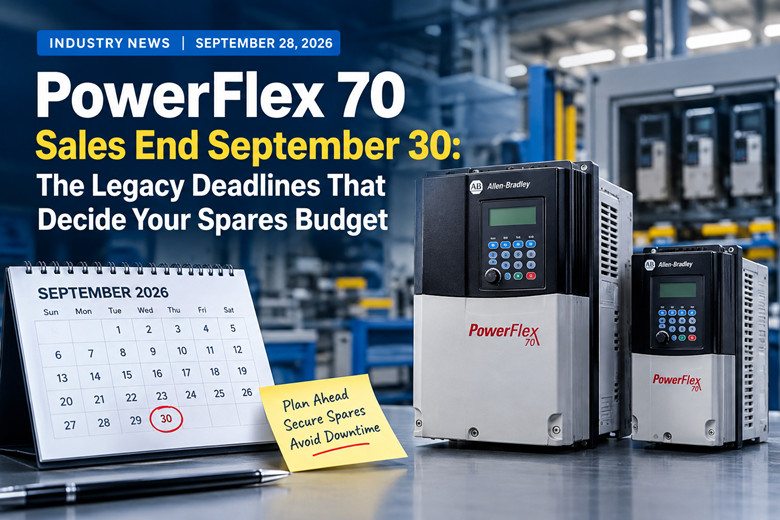
Çarşamba günü Rockwell Automation, yeni PowerFlex 70 sürücülerinin satışını durduruyor. Hepsi değil, ancak çoğu tesiste kabine monte edilmiş olanlar. Eğer PowerFlex 70 ile çalışan bir hattınız varsa ve bir sonraki arıza durumunda ne yapacağınıza henüz karar vermediyseniz, bu karar artık size zorunlu hale geldi. İki gün kaldı.On beş yılda bu geçişlerden üçüne şahit oldum. Desen değişmiyor. Satıcı duyuruyor, herkes başını sallıyor, kimse bütçe yapmıyor ve on sekiz ay sonra bir bakım teknisyeni gece saat 2'de telefonda, menşei sorusuna cevap vermeyen bir aracıdan yeniden yapılmış bir ünite bulmaya çalışıyor. İşte ben de sizin ödemenizi engellemeye çalıştığım fatura bu.Bu teknik bir yazı değil. Bir sürücünün ne işe yaradığını biliyorsunuz. Bu, takvimin maliyeti, hangi parçaları hala ne zaman satın alabileceğiniz ve tarihler gelmeden önce neleri rafa kaldırmanız gerektiği hakkında. 30 Eylül'de tam olarak neler sona eriyor ve neler sona ermiyor? Duyuruyu dikkatlice okuyun, çünkü başlık abartılı ve ayrıntılar bütçenizi belirleyecek nitelikte. Rockwell'in kendi PowerFlex 70 ürün sayfasında şu ifade yer alıyor: "Rockwell Automation, PowerFlex 70 AC Sürücüsünün 30 Eylül 2026 tarihinden itibaren üretiminin durdurulacağını ve artık satışta olmayacağını duyurur. Kullanım ömrünün sonu ve üretimden kaldırma tarihi yalnızca IP20/NEMA UL Tip 1, IP54/NEMA UL Tip 12 ve Flanşlı versiyonlar için geçerlidir. NEMA 4X versiyonları Aktif Olgun statüsünde kalmaktadır. Geçişinizi desteklemek için, PowerFlex 750 AC sürücü ailesine modernize olmanızı öneririz."Bu, satıcının kullandığı bir dil, benim değil. Burada iki şey önemli.Öncelikle, NEMA 4X versiyonları Aktif Olgunluk aşamasında kalır. Yıkamaya dayanıklı veya dış mekan kurulumlarınızda 4X muhafazalar kullanıyorsanız, şimdilik bir satış kanalınız olur. Aktif Olgunluk, Aktif ile aynı şey değildir ve sonsuza dek devam edeceği anlamına gelmez, ancak bir bitiş tarihi de değildir. Denetimi oluştururken 4X ünitelerinizi filonun geri kalanıyla aynı kefeye koymayın. Normalde sipariş edebileceğiniz parçalar için gereğinden fazla harcama yaparsınız.İkinci olarak, durdurma işlemi belirli kasa aileleri için geçerlidir ve Rockwell, kullanıcıları bireysel katalog numaralarını kontrol etmek için Ürün Yaşam Döngüsü Durumu arama aracına yönlendirir. Bu bir formalite değildir. Bir elektronik tabloda kırk adet PowerFlex 70 isim plakası olan bir fabrika, kırk tane sorunu olduğunu düşünür. Pratikte, çerçevelerin, kasaların ve opsiyon kartlarının karışımı, aslında önemli olan belki altı veya sekiz farklı katalog numarasına sahip olduğunuz anlamına gelir ve bunların bazıları diğerlerinden farklı bir yaşam döngüsü durumundadır. Numaraları çekin. Tek tek okuyun. Aile adına güvenmeyin.Bu haber döngüsünün diğer yarısı Mitsubishi Electric ile ilgili ve burada son teslim tarihleri daha uzun ancak ayrıntılar daha net. Her ikisi de Nisan 2026'da yayınlanan ve Ağustos 2026'da revize edilen, her ikisi de bileşen temininde zorluktan bahseden iki Satış ve Servis bülteni, HF-KN serisi AC servo motorları (Bülten No. 26-07AE) ve MR-JN serisi AC servo amplifikatörlerini (Bülten No. 26-06AE) kapsıyor.HF-KN, 2009 yılından beri, yani 17 yıldır piyasada. Bu, bir servo motor için uzun bir süre ve ambalajlama, gıda işleme ve hafif montaj hatlarında kurulu tabanın oldukça geniş olduğu anlamına geliyor. Bülten, sipariş üzerine üretime geçişin 31 Mart 2027'de, sipariş kabulünün 31 Mart 2028'e kadar, son sevkiyat ve üretimin 31 Mart 2029'da ve onarım kabulü ve parça tedarikinin 31 Mart 2036'ya kadar devam edeceğini öngörüyor.Üçüncü bülten olan 26-09AE numaralı bülten, MR-EM340GF Basit Hareket kartını ve SW1DND-EMSDK-B MELSOFT EM Yazılım Geliştirme Kitini kapsamaktadır. Tarihler aynıdır. Bununla ilgili daha fazla bilgiyi birazdan vereceğiz, çünkü değiştirme işlemi biraz zahmetli. Takvim, size ulaşacağı sırayla. İşte sıralama. Tablo yok, sadece tarihlerin geliş sırası, çünkü satın alma siparişi programı böyle oluşturulur.· 30 Eylül 2026: IP20/NEMA UL Tip 1, IP54/NEMA UL Tip 12 ve Flanşlı versiyonları için yeni PowerFlex 70 satışları sona eriyor. İki gün sonra. Bu muhafazalardan birinde yeni bir üniteye ihtiyacınız varsa, bu son tam iş haftası ve zaten sona eriyor.· Aralık 2026: FX3G serisi PLC'nin üretiminin durdurulma tarihi, Mitsubishi'nin Haziran 2025'te yaptığı ve son sipariş tarihini Haziran 2026 olarak belirleyip halefi olarak FX5UJ'yi önerdiği duyurusunun ardından geldi. Eğer bu sipariş tarihini kaçırdıysanız, zaten FX3G donanımı için ikinci el piyasasındasınız demektir. Bunu not edin, çünkü bu tüm makalenin örnek olay incelemesidir: duyuru on sekiz ay önce yapıldı, son sipariş tarihi Haziran ayında sessizce geçti ve üretimin durdurulma tarihi Aralık ayında kimsenin dikkatini çekmeden geldi.· 31 Mart 2027: HF-KN servo motorlar, MR-JN servo amplifikatörler ve MR-EM340GF hareket kartı ve SDK'sı sipariş üzerine üretilmeye başlanıyor. Bu, ilk gerçek darboğaz noktası. Sipariş üzerine üretim, teslim sürelerinin uzaması ve tedarikçinin stok yerine talebe göre üretim yapması anlamına geliyor. Eğer 2027 yılının sonlarında devreye alınacak bir projeniz varsa, proje yöneticiniz bilse de bilmese de bu tarih kritik yolunuzda yer alıyor.· Nisan 2027: CE ve UKCA işaretlemelerinin kaldırılması, aynı üç Mitsubishi ürün grubu için bu tarihten sonra alınan siparişlerde geçerli olacaktır. Bu farklı bir son tarih olup, aşağıda ayrı bir bölümde ele alacağım.· 31 Mart 2028: HF-KN, MR-JN ve MR-EM340GF için sipariş kabulü sona eriyor. Bu tarihten sonra kesinlikle sipariş veremezsiniz. Bu, kesin satın alma tarihidir. Bu tarihten önceki her şey planlama aşamasındadır. Bu tarihten sonra ise başkasının stoklarından satın alıyorsunuz demektir.· 31 Mart 2029: HF-KN, MR-JN ve MR-EM340GF için son sevkiyat ve üretimin sona ermesi. Mart 2028'e kadar sipariş edilen tüm ürünler bu tarihe kadar sevk edilecek ve ardından fabrika üretimi duracaktır.· 31 Mart 2036: Aynı Mitsubishi ürün grupları için onarım kabulü ve parça tedariği sona eriyor. Üretimin sona ermesinden sonra yedi yıllık bir onarım süresi. Bu, çoğu tahrik hattına kıyasla oldukça cömert bir süre ve 2029 tarihinden endişelenen herkes için bu makaledeki en önemli satır.Listeyi bir kez daha okuyun ve eksik olanlara dikkat edin. Rockwell, PowerFlex 70 için satış bitiş tarihini yayınladı. Bulabildiğim bilgilere göre Rockwell, aynı sürücü için onarım bitiş tarihi, destek bitiş tarihi veya yedek parça kesinti tarihi yayınlamadı. Ben onlar için böyle bir tarih uydurmayacağım ve satıcının belirtmediği bir Rockwell onarım aralığını size söyleyen herhangi bir tedarikçiden şüphe duymalısınız. Bir tarihin olmaması bir kaçış yolu değil, bir tarihin olmamasıdır. Buna göre plan yapın. Nisan 2027 neden diğer tarihlerden farklı? Takvimdeki diğer tüm tarihler hacimle ilgili: sipariş verebilir miyim, gönderilecek mi, tamir edilebilir mi? Nisan 2027 ise evrak işleriyle ilgili ve evrak işleri, Avrupa ve İngiltere'deki fabrikaları hazırlıksız yakalayan son tarih.Hem HF-KN hem de MR-JN bültenlerinde, Mitsubishi Electric'in kendi ifadeleriyle şu ifade yer almaktadır: "[Seri] üzerindeki CE işareti, AB Siber Dayanıklılık Yasası'na (CRA) uymadığı için kaldırılacaktır. CE işaretinin kaldırılmasıyla birlikte, UKCA işareti de kaldırılacaktır. Mitsubishi Electric'e Nisan 2027 veya sonrasında verilen siparişler, CE işareti ve UKCA işareti olmadan teslim edilecektir."Bunu satıcının açıklaması olarak aktarıyorum. Hukuki yorumu hakkında tartışmayacağım, çünkü bu sizin uyumluluk ekibinizin işi, Pazartesi sabahı saat 6'da yedek parça alıcısının değil. Size söyleyeceğim şey, pratik sonuçtur ve bu teknik bir sonuç değil, tedarikle ilgili bir sonuçtur.Eğer tesisiniz AB veya İngiltere'de bulunuyorsa ve makine dokümantasyonunuzda CE veya UKCA işaretli bileşenlere atıfta bulunuluyorsa, Nisan 2027'de verilen bir sipariş, mevcut çizimlerinizdekiyle farklı görünen bir etiketle birlikte gelir. Bu, kalite yöneticinizle, varsa yetkili kuruluşunuzla ve üzerinizdeki müşteri denetimiyle görüşmeniz gereken bir durumdur. Parçaya ihtiyaç duyduğunuz hafta ilk kez böyle bir görüşme yapmak istemezsiniz.Tehlike daha da artıyor ve bültenlerde bu açıkça belirtiliyor: Stok durumuna bağlı olarak hem eski hem de yeni versiyonlar aynı anda dağıtımda olabilir. Bu, eski işaretli stoğa sahip bir distribütör ile yeni, işaretsiz stoğa sahip bir distribütörün aynı gün size aynı katalog numarasını verebileceği, ancak plaka üzerindeki işaretlemenin farklı olabileceği anlamına gelir. Belirli bir işaretlemeye ihtiyacınız varsa, bunu satın alma siparişinde belirtmeniz ve mal kabulünde onaylamanız gerekir. Sadece parça numarasına bakarak hiçbir şey varsaymayın.Orta Doğu veya Amerika kıtasındaki bir fabrika için bu durum doğrudan daha az önem taşır, ancak Avrupa'ya makine ihraç ediyorsanız veya OEM'iniz Avrupa dokümanlarına göre üretim yapıyorsa önemlidir. Ayrıca, daha sonra AB'ye sattığınız herhangi bir ürünün yeniden satış değeri için de önemlidir. Nisan 2027 tarihinin sizin için ne kadar sorun teşkil ettiğine karar vermeden önce, üç hedef kitlenizden hangisinin geçerli olduğunu bilin.MR-EM340GF'nin bir de ek sorunu var. Mitsubishi, önerilen yedek parçalar olan hareket kontrol yazılımı SWM-G veya hareket kontrol kartı MR-EM441G'nin MR-EM340GF ile uyumlu olmadığını ve özelliklerinin farklı olduğunu belirtiyor. Bu, satıcının kullandığı dil ve bir satıcının söyleyebileceği en açık ifade. Doğrudan uyumlu bir parça yok. Yedek SDK, SW1DND-EMMSDK-B'dir ve bülten, "AB Siber Dayanıklılık Yasasının Uygulanması Nedeniyle Ambalaj Etiketlerinde ve Derecelendirme Plakalarında Değişiklik" başlıklı Mitsubishi belgesi No. 26-21E'ye atıfta bulunuyor. Eğer bir MR-EM340GF kullanıyorsanız, bu parça stoktan alınacak bir parça değil. Kendi mühendislik saatlerini gerektiren bir geçiş projesidir ve sarf malzemeleri bütçesinde değil, sermaye planında yer almalıdır. Bunun maliyeti nedir ve maliyeti ne değildir? Korkuyu faturadan ayıralım, çünkü ikisi aynı sayı değil.Korkulan şey, 30 Eylül'ün PowerFlex 70 filonuzun sahipsiz kalması ve her arızanın üretim hattının durmasına yol açması anlamına gelmesidir. Ancak duyuruda böyle bir şey söylenmiyor. Satışların sona ermesi, desteğin sona ermesi anlamına gelmiyor. Rockwell, üç kasa ailesinde yeni ünite satışını durduruyor. Onarım hizmetlerinin de durdurulacağına dair bir duyuru yapılmadı. Mevcut sürücüleriniz çalışmaya devam ediyor ve kurulu taban, üçüncü taraf onarım ve yeniden üretim pazarının yıllarca hizmet verebileceği kadar büyük. eski sürücü yedekleriPratik soru, parçaların var olup olmadığı değil, kimde bulundukları ve ne durumda olduklarıdır.Mitsubishi tarafındaki korku da aynı ve fatura sandığınızdan daha küçük. Onarım süresi 31 Mart 2036'ya kadar uzanıyor. Bu da üretimin sona ermesinden yedi yıl sonrasına denk geliyor. Çoğu tesis, HF-KN ve MR-JN hatlarından çok daha önce ayrılmış olacaktır, çünkü yerine geçen hatlar mevcuttur ve belgelenmiştir: motor tarafında HF-KN053(B) - HK-KT053W(B), HF-KN13(B) - HK-KT13W(B), HF-KN23(B) - HK-KT23W(B), HF-KN43(B) - HK-KT43W(B), HF-KN73(B) - HK-KT7M3W(B) ve MR-JN-10A - MR-J5-10A, MR-JN-10A1 - MR-J5-10A, MR-JN-20A - MR-J5-20A, MR-JN-20A1 - MR-J5-20A, MR-JN-40A - Amplifikatör tarafında MR-J5-40A kullanılıyor. Eğer sisteminizde 1 fazlı 100 V AC girişte MR-JN-10A1 veya MR-JN-20A1 kullanılıyorsa, Mitsubishi'nin bununla birlikte MR-CM08K1 basit dönüştürücüyü de gerektirdiğini unutmayın. Bu, değişim fiyat teklifi verilirken insanların gözden kaçırdığı bir kalemdir.Mitsubishi bültenlerinde, iki kez okumaya değer dürüst bir uyarı da yer alıyor: Parça stoğu tükendiğinde onarımlar mümkün olmayabilir. Dolayısıyla onarım süresi bir maksimum süredir, garanti değildir. Size 2036'nın kesin olduğunu söyleyen herkes, tarih çizgisinden sonrasını okumamıştır.Bu durumda asıl değişken ortaya çıkıyor ve bu değişken satıcı değil, ikinci el piyasası.Siparişler kapandıktan sonra, satın aldığınız her parça birinin rafından alınır. Durum ve menşe belirleyici faktörler haline gelir ve bunlar veri sayfasında görünmez. Belgelenmiş onarım kaydıyla bir yük bankasında test edilmiş yeniden üretilmiş bir MR-JN, hizmet dışı bırakılmış bir panelden çıkarılıp silinmiş bir üniteden farklı bir varlıktır. Her ikisi de aynı fiyata teklif edilebilir. Ancak kritik bir hatta yalnızca biri uygundur. Bunu kontrol etmenin yolu, acil durumdan önce tedarikçinizin test prosedürünü bilmek, onarımdan geri gelenleri takip edebilmek için kendi ünitelerinizde seri numaralarını saklamak ve hangi hatlarınızın kullanılmış bir üniteye izin verip hangilerinin izin vermeyeceğine önceden karar vermektir.Bir bitki için, servo sürücü parçaları İkinci el piyasasından alınan yedek parçalar, tedarikçinin test etmesi, belgelemesi ve garanti vermesi koşuluyla, meşru ve bütçe tasarrufu sağlayan bir yoldur. Ancak bir tedarikçi gelen parçaların muayenesini açıklayamadığı anda, fiyat artık önemli olmaktan çıkar. Bu durum bu çeyrekte alınacak kararları zorunlu kılıyor. Kısa bir listeniz ve uzun bir listeniz var. Mart 2027 tarihinden itibaren teslim süreleri hesaplanmaya başlamadan önce, önümüzdeki doksan gün içinde kısa listedeki işleri tamamlayın.1. Yedek parça rafı denetimini, kurulu ünitelerle karşılaştırın. Mağazayı gezin, her bir etiket levhasını çekin ve katalog numarasını, seri numarasını, kasa tipini ve kurulum tarihini kaydedin. Herkesin atladığı ve en çok para tasarrufu sağlayan adım budur. Rafta, 2019'da hizmet dışı bıraktığınız hatlara ait sürücüler bulacaksınız ve kimsenin yedeği olmayan donanımları kullanan hatlar bulacaksınız.2. Kurulum miktarı ve raftaki miktar bilgilerini içeren, her bir numara için ayrı bir satır olacak şekilde temiz bir katalog numarası listesi oluşturun. PowerFlex 70 tarafında, listeyi kasa ailesine göre sıralayın ve aile durumunun geçerli olduğunu varsaymak yerine, her numarayı Rockwell'in Ürün Yaşam Döngüsü Durumu aracıyla karşılaştırın. Mitsubishi tarafında ise üç grubu ayırın: HF-KN, MR-JN, MR-EM340GF.3. Hisse senedi alım tarihini, korkutucu olan değil, gerçek son tarihle ilişkilendirin. Rockwell için bu tarih şimdi, IP20, IP54 ve Flange üniteleri hala çalışıyor. Mitsubishi için sipariş kabul tarihi 31 Mart 2028 ve siparişe göre üretim geçişi 31 Mart 2027'de başlıyor; bu tarihten sonra teslimat süreleri size zarar vermeye başlayacak. Yeni almayı düşündüğünüz her şeyi Mart 2027'den önce alın veya teslimat süresini kabul edin.4. Acil durum için değil, sermaye planı için geçiş dosyasını başlatın. Geçiş dosyası tek sayfalık bir belgedir: kaç ünite, yedek parça numarası, paneldeki değişiklikler, mühendislik saatlerinin ne kadar olduğu ve yapılmaması durumunda tesisin ne kaybedeceği. MR-EM340GF için bu belge zorunludur çünkü değiştirme işlemi açıkça uyumlu değildir. PowerFlex 70 için Rockwell, PowerFlex 750 ailesini önermektedir, bu nedenle dosya bir modernizasyondur ve modernizasyonlar bu ayın acil durum hesabına değil, gelecek yılın bütçesine dahil edilir.5. Nisan 2027'deki işaretleme değişikliği, mal kabulünde sorun yaratmadan önce kalite veya uyumluluk sorumlunuzu bilgilendirin. Bugün on beş dakikalık bir görüşme, daha sonra ise sevkiyatın aksamasına yol açabilir.Bu liste bilerek kısa tutuldu. Bu çeyrekte kırk diski taşımayacaksınız ve bunu denememelisiniz de. Elinizde ne olduğunu bileceksiniz, önce bozulacak parçaları satın alacaksınız ve geri kalanını belgelenmiş bir kayda geçireceksiniz. Yedek parça tedarikçisinin devreye girdiği yer Parça tedarikçisinin yaşam döngüsü sorununu çözdüğünü iddia etmeyeceğim. Çözmüyoruz. İyi bir tedarikçinin yaptığı şey daha dar kapsamlı ve daha kullanışlıdır: kaybetmek üzere olduğunuz parça numaralarından stok tutar, hangi üniteleri test ettiğini ve nasıl test ettiğini size söyleyebilir ve parçaya gerçekten ihtiyaç duyduğunuz hafta ortadan kaybolmaz.Artık üretimi durdurulmuş donanımlar için fiyat teklifi veren herhangi bir tedarikçiye sormanız gerekenler ve bu soruları ihtiyaç duymadan önce sormanız gerekenler şunlardır:Test yapıyorlar mı, ne üzerinde? Sürücü üzerinde yük testi ve servo üzerinde çalışma testi minimum gerekliliklerdir. İşlem prosedürünü sorun.Kullanılmış veya yeniden üretilmiş bir ünitenin menşeini takip edebiliyorlar mı? Bir parçanın nereden geldiğini açıklayamıyorlarsa, üniteyi bilinmeyen durumda olarak değerlendirin.Sizin ilgilendiğiniz miktarlarda stok bulunduruyorlar mı, yoksa sipariş üzerine mi tedarik yapıyorlar? Sipariş üzerine tedarik, sizin teslimat sürenizin onların teslimat süresine eşit olması anlamına gelir ki bu da tam olarak çözmeye çalıştığınız sorundur.Nisan 2027'den sonra Mitsubishi parçaları için derecelendirme plakasındaki işaretlemeyi onaylayacaklar mı? CE veya UKCA'ya ihtiyacınız varsa, bu soru, değişikliği anlayan bir tedarikçiyi bülteni okumamış bir tedarikçiden ayıran sorudur.Çoğu tesis için dürüst cevap karma bir modeldir. Kritik hatlara yeni veya tedarikçi tarafından onarılmış üniteler takılır. Kritik olmayan hatlar ve düşük frekanslı yedek parçalar ise test edilmiş ikincil stoktan temin edilir. Otomasyon yedek parçaları Bu şekilde tedarik edilen ve belgelenmiş testlerle desteklenen ürünler, planlanmamış bir üretim kesintisini her zaman geride bırakır. Takvim sizin için karar vermeden önce, bu karışımı belirleyin. SSS 30 Eylül 2026 tarihi, PowerFlex 70 sürücülerimin çalışmayı durduracağı veya desteğinin kesileceği anlamına mı geliyor? Hayır. Bu, Rockwell'in IP20/NEMA UL Tip 1, IP54/NEMA UL Tip 12 ve Flange serilerindeki yeni ünitelerin satışını durdurduğu anlamına gelir. Kurulumu yapılmış sürücüleriniz çalışmaya devam eder. Rockwell'in yayınladığı materyaller satışın sona erdiğini belgelendirir ve kullanıcıları bireysel katalog numaraları için Ürün Yaşam Döngüsü Durumu aracına yönlendirir. Bu sürücü için bir onarım veya destek kesintisi yayınlamaz ve bir tedarikçinin bunu yaptığı iddiasını kabul etmemelisiniz. Tesisimde NEMA 4X PowerFlex 70 üniteleri kullanılıyor. Bu durum beni etkiler mi? Bu tarih itibariyle değil. Rockwell, NEMA 4X versiyonlarının Aktif Olgun statüsünde kaldığını belirtiyor. Aktif Olgun, Aktif ile aynı şey değil, bu yüzden izleme listenizde tutun, ancak 30 Eylül durdurma noktasında değilsiniz. HF-KN motorları ve MR-JN amplifikatörlerini satın alabileceğim son tarih nedir? Mitsubishi bültenlerine göre, sipariş kabulü 31 Mart 2028'e kadar devam ediyor ve son sevkiyat ve üretim bitişi 31 Mart 2029'da gerçekleşiyor. Siparişe göre üretime geçiş daha erken, 31 Mart 2027'de gerçekleşiyor, bu nedenle Mart 2027'yi teslimat sürelerinin aleyhinize işlemeye başladığı tarih olarak kabul edin. Nisan 2027'deki CE işaretleme değişikliği, bu parçaları kullanmayı bırakmak için bir neden mi? Bu, parça alıcısı değil, uyumluluk biriminizin vereceği bir karardır. Mitsubishi Electric, serinin AB Siber Dayanıklılık Yasası'na uymadığı için CE işaretinin kaldırılacağını, UKCA işaretinin de kaldırılacağını ve Nisan 2027 veya sonrasında alınan siparişlerin bu işaretlerin hiçbiri olmadan teslim edileceğini belirtiyor. Bunun makine dokümantasyonunuz için ne anlama geldiği, pazarınıza ve müşteri gereksinimlerinize bağlıdır. Yedek parçayı satın alıp takabilir miyim? Motor ve amplifikatör tarafında, değiştirme hatları belgelenmiştir (HF-KN'den HK-KT'ye, MR-JN'den MR-J5'e) ve belirli 1 fazlı 100 V AC konfigürasyonları için MR-CM08K1 basit dönüştürücü de dahil olmak üzere kombinasyon notları mevcuttur. MR-EM340GF'de Mitsubishi, önerilen yedek parçaların uyumlu olmadığını ve özelliklerinin farklı olduğunu açıkça belirtmektedir. Bu bir mühendislik projesidir, parça değişimi değildir. Onarım güzergahı için ne kadar süre ayırmalıyım? Mitsubishi bültenlerinde, HF-KN, MR-JN ve MR-EM340GF modelleri için onarım kabulü ve parça tedarikinin 31 Mart 2036'ya kadar uzatıldığı belirtiliyor; ancak parça stoğu tükendiğinde onarımların mümkün olmayabileceği uyarısı da yapılıyor. Onarım rotasını kalıcı bir strateji olarak değil, geçici bir çözüm olarak planlayın. FX3G durumu için son işlem tarihi çoktan geçti. Bu bana ne anlatıyor? Bu, duyuruların doğru ve tarihlerinin gerçek olduğunu gösteriyor. Mitsubishi, FX3G'nin üretiminin durdurulacağını Haziran 2025'te duyurdu, Aralık 2026'yı üretimden kaldırma tarihi ve Haziran 2026'yı son sipariş tarihi olarak belirledi ve halefi olarak FX5UJ'yi gösterdi. Son sipariş tarihi geçti. Eğer takip etmediyseniz, şu anda stoktan FX3G donanımı satın alıyorsunuz. Bu, 2028'de HF-KN ve MR-JN ile içinde olmak istemeyeceğiniz durum tam olarak bu. Ömür boyu yetecek yedek parçayı şimdi mi almalıyım? Nadiren. Raf stoğu maliyetlidir, sermayeyi bağlar ve bozulabilir. Arıza geçmişinizin, sipariş üzerine üretim süresi artı bir tampon dönem için tüketeceğinizi gösterdiği miktarı satın alın, ömür boyu yetecek miktarı değil. İstisna, MR-EM340GF gibi uyumlu bir yedek parçası olmayan bir parçadır; bu durumda stok tutmanın gerekçesi daha güçlüdür çünkü alternatif yeniden tasarım gerektirir.SEO alanları - bu bloğu web sitesine yapıştırmayın.Meta BaşlıkPowerFlex 70 Satışları 30 Eylül'de Sona Eriyor: Eski Son TarihlerMeta AçıklamaRockwell PowerFlex 70 satışları 30 Eylül 2026'da, Mitsubishi HF-KN ve MR-JN ise 2029'da sona erecek. Son tarihler, CE işaretlemesindeki değişiklik ve şu anda stokta ne bulunmalı?URL Slugpowerflex-70-satış-eski-otomasyonun-son-tarih-tarihleri-2026KategorihaberlerYayınlama adımları: 1) Meta Başlık + Meta Açıklamayı Yoast SEO alanlarına yapıştırın, 2) URL uzantısını ayarlayın, 3) kategoriyi seçin, 4) Search Console'da indeksleme isteğinde bulunun. Site: tztechio.com
September 28,2026

Tatil Duyurusu: 2026 Sonbahar Ortası Festivali ve Milli GünDeğerli müşterilerimiz,Xiamen'deki ofisimiz ve depomuz iki haftalığına resmi tatil nedeniyle kapalı olacaktır. Tatiller: Sonbahar Ortası Festivali: 25 Eylül - 27 Eylül 2026Ulusal Gün: 1 Ekim - 7 Ekim 2026İşe geri döndük. Perşembe, 8 Ekim 202628 Eylül'den itibaren 30 normal iş günüdür.Siparişler. 30 Eylül'e kadar onaylanan ve ödemesi yapılan siparişler gönderilecektir. Ulusal Gün kapanışından önce, stok durumuna bağlı olarak. Siparişler alındı. Kapanışlar sırasında başvurular, geliş sırasına göre işleme alınır, başlangıç sırasına göre. 8 Ekim. Ekim ayında parçalara ihtiyacınız varsa, talebinizi önceden gönderin. 30 Eylül, böylece stok durumunu ve gönderimi zamanında teyit edebiliriz.Destek. Bu süreçte e-posta ve WhatsApp mesajları alınmaya devam ediyor. Tatil nedeniyle yanıtlar daha yavaş olacaktır. Acil arızalar için lütfen şu adresi gönderin: Parça numarasını ve arıza detaylarını WhatsApp üzerinden gönderin. +86 175 5077 6091 ve biz Yeniden açılır açılmaz size geri döneceğiz. İş birliğiniz için teşekkür ederiz. İyi bir hafta dileriz. Xiamen Zantang Teknoloji Şirketi, Ltd.Tel / WhatsApp: +86 175 5077 6091E-posta: info@tztechautomation.comtztechio.com
September 24,2026
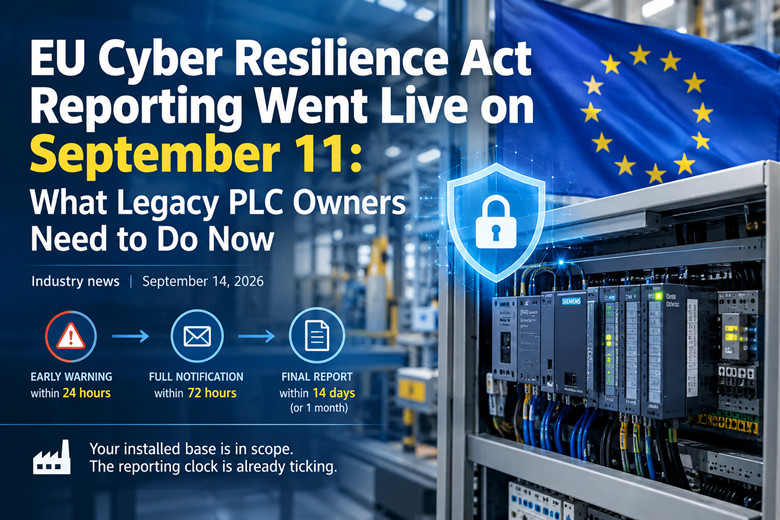
*Sektör haberleri | 14 Eylül 2026*Sizin için önemli olan tarih 11 Aralık 2027 değil. Üç gün önce, 11 Eylül 2026. O cuma günü, AB Siber Dayanıklılık Yasası kapsamındaki raporlama yükümlülükleri yürürlüğe girdi ve bu yükümlülükler, gelecek yıl satın alabileceğiniz ekipmanlara değil, halihazırda dolaplarınıza monte edilmiş ekipmanlara uygulanıyor. Eğer üretim hattınızdaki bir kontrol ünitesi, HMI veya sürücüde veri bağlantısı varsa ve birisi aktif olarak bir güvenlik açığını istismar ederse, bunu üreten şirketin artık erken uyarıda bulunmak için 24 saati ve bir AB platformuna tam bildirimde bulunmak için 72 saati var. Kimse size bununla ilgili bir mektup göndermedi. Yedek parça rafınız ve sermaye planınız, herkesin bahsettiği tarih olan Aralık 2027 tarihine göre oluşturuldu ve bu tarih CE işaretlemesi açısından hala geçerli. Sadece raporlamayı düzenleyen tarih değil. Bu iki tarih arasında üç ay ve yaklaşık on beş ay fark var ve bir tesisin yakalandığı nokta da bu aradaki boşluk.İşte operasyonel sürüm. Raporlama başladı. Kurulu tabanınız bunun içinde. Kurulu tabanınızın büyük çoğunluğu için yama yolunuz muhtemelen mevcut değil. Bu üç cümle birlikte tüm hikayeyi anlatıyor ve bu yazının geri kalanı, bir bakım veya tesis yöneticisinin bunlarla gerçekte neler yapabileceğiyle ilgili. 11 Eylül'de neler değişti? Siber Dayanıklılık Yasası, (AB) 2024/2847 Yönetmeliğidir. 10 Aralık 2024 tarihinde yürürlüğe girmiştir. Madde 71(2), parçaların ne zaman devreye gireceğini ve bunun bir anda değil, aşamalar halinde gerçekleştiğini belirten maddedir. Onaylanmış kuruluşlarla ilgili bölüm olan Bölüm IV, 11 Haziran 2026'dan beri uygulanmaktadır. Bildirim yükümlülüğü olan Madde 14, 11 Eylül 2026'dan itibaren uygulanmaktadır. Ana uygunluk rejimi, yani Ek I'deki temel gereklilikler, teknik dokümantasyon ve CE işareti, 11 Aralık 2027'den itibaren uygulanmaktadır.Geçtiğimiz Cuma günü yürürlüğe giren konu, üreticilerin raporlama yükümlülüğü oldu. 11 Eylül 2026'dan itibaren, bir üretici, dijital unsurlar içeren ürünlerin güvenliğini etkileyen aktif olarak istismar edilen güvenlik açıklarını ve ciddi olayları bildirmek zorundadır. Bu, Madde 14 raporlama yükümlülüğüdür. Basitçe ifade etmek gerekirse: üreticinin sattığı bağlantılı bir ürün aktif olarak istismar ediliyorsa, üretici yetkililere bildirmek zorundadır ve bunu hızlı bir şekilde yapmalıdır.Hızlı demek ölçülebilir demektir. Üretici durumdan haberdar olduktan sonra, 24 saat içinde erken uyarı, 72 saat içinde tam bildirim ve aktif olarak istismar edilen bir güvenlik açığı için düzeltici önlem alındıktan sonra en geç 14 gün içinde veya ciddi bir olay için 72 saatlik bildirimden itibaren bir ay içinde nihai rapor sunar. Raporlama, ENISA tarafından 16. Madde kapsamında kurulan ve 11 Eylül 2026'da faaliyete geçen CRA Tek Raporlama Platformu (SRP) aracılığıyla bir kez yapılır. Bildirim, üreticinin ana kuruluşunun CSIRT'ine gider ve ENISA ve diğer ulusal CSIRT'lerle paylaşılır. ENISA, 4 Eylül 2026'da 27 üye devletin tamamını kapsayan CSIRT koordinatörlerinin listesini yayınladı; bu da altyapının son tarihe kadar tamamlandığını gösteriyor.Ortalıkta dolaşan ve yanlış anlaşılan bir ayrıntı var ve bu, halkla ilişkiler sorununu yasal bir sorundan ayırdığı için önemli. 11 Aralık 2025'te kabul edilen Komisyon Yetkilendirilmiş Yönetmeliği (AB) 2026/881, bir CSIRT raporunun siber güvenlik gerekçeleriyle yayımını geciktirmesine izin veriyor. Bunu dikkatlice okuyun. Raporu kimlerin göreceğini kısıtlıyor. Dosyalama zamanını değiştirmiyor. Bu yetkilendirilmiş yönetmelikte, üreticinin kendi dosyalama süresini durduran hiçbir şey yok. Eğer bir satıcıyla konuşuyorsanız ve sürenin durdurulabileceğini söylüyorsa, süre durdurulmuş değildir.Ardından, etkilenen kullanıcılara bilgi verme yükümlülüğünü ekleyen Madde 14(8) bulunmaktadır. Üretici bunu zamanında yapmazsa, bildirilen CSIRT'ler, orantılı ve gerekli gördükleri durumlarda kullanıcıları kendileri bilgilendirebilirler. Garanti görüşmesi sırasında aklınızda tutmanız gereken kısım budur, çünkü bu, düzenlemenin nihayetinde fabrikayı kimin bilgilendireceği sorusuna verdiği cevaptır. Üretici çok uzun süre sessiz kalırsa, düzenleyici onları atlayabilir. Eski tip ekipmanların neden sorunlu olduğu En sık duyduğum ve daha bilgili olması gereken kişilerden neredeyse aynı kelimelerle duyduğum varsayım, Aralık 2027'den önce satılan her şeyin eski düzenlemeler kapsamında olduğu ve bu nedenle bu düzenlemeyle ilgisi olmadığıdır. Bu kısmen doğru, yanlış olan diğer yarısı ise oldukça pahalı.Madde 69(2), 11 Aralık 2027 tarihinden önce piyasaya sürülen ürünlerin, bu tarihten sonra önemli bir değişikliğe uğramadıkları sürece, geçerliliğini koruduğunu belirtir. Dolayısıyla, orijinal yazılımıyla ve önemli bir değişiklik yapılmadan orada duran, işini yapan, dokunulmamış bir makine, CE işaretlemesi ve Ek I'in temel gerekliliklerinin dışındadır. Sorun değil. Değiştirilmemiş bir hat için bir uygunluk projesine dahil edilmeyeceksiniz ve kimse sizden 2011 yılında üretilmiş bir paneli yeniden belgelemenizi istemeyecek.Madde 69(3), özellikle raporlama için bunu geçersiz kılıyor. Madde 14 yükümlülüğü, 11 Aralık 2027'den önce piyasaya sürülen, dijital unsurlara sahip tüm kapsam dahilindeki ürünler için geçerlidir; yaş sınırlaması yoktur ve eski ekipmanlar için istisna yapılmamıştır. "Yaş sınırlaması yok" ifadesini bir an için düşünün. Beş yıl demiyor, on yıl demiyor ve "hala destekleniyor" demiyor. Bu tarihten önce piyasaya sürülen tüm kapsam dahilindeki ürünler diyor.Şimdi bunu kapsam kuralıyla birleştirelim. Amaçlanan veya makul olarak öngörülebilir kullanımı, bir cihaza veya ağa doğrudan veya dolaylı mantıksal veya fiziksel veri bağlantısı içeren dijital unsurlara sahip ürünler kapsam dahilindedir. Tesisinizde Siemens, Rockwell, Mitsubishi ve diğer birçok marka, çoğunlukla kontrolörler, HMI'lar, sürücüler ve G/Ç blokları olarak kullanılmaktadır. Ethernet üzerinde veya tesis ağına ulaşan herhangi bir alan veri yolunda bulunan veya herhangi birinin makul bir şekilde dizüstü bilgisayar bağlayabileceği ürünler bu kutucuğu işaretler. Açıkça belirtilen istisnalar vardır ve bunlar dar ve spesifiktir: tıbbi cihazlar, araç tip onayı, sivil havacılık ürünleri, denizcilik ekipmanları, yalnızca ulusal güvenlik veya savunma için geliştirilen ürünler ve özdeş yedek parçalar. Bir paketleme hattı kontrolörü bu listede yer almaz.Bu, 2005 ile 2020 yılları arasında kurulan kontrol üniteleri ve HMI'ları kullanan bir tesis için şu anlama gelir: Yükümlülük altında olan taraf siz değilsiniz. Üretici firmadır. Ancak sahip olduğunuz ekipman yükümlülüğe tabidir ve herhangi bir yaş sınırı olmaksızın buna tabidir. 2008 yılında devreye alınan bir ince istemci panel PC, raporlama yükümlülüğü açısından, geçen ay sevk edilen bir ünite kadar, bildirilen bir güvenlik açığının istismarı için adaydır. Fabrikanızdaki ürün değişmedi. Değişen şey, onu üreten şirketin artık başına gelenler için yasal bir zaman sınırına sahip olmasıdır.Bunun içinde pratik bir sonuç yatıyor ve ben kendi ekibimin de bunu anlamasını isterdim. 24 saatlik bir raporlama sisteminde, üreticinin eski ekipmanlarda neler olup bittiğini bilme isteği ve yeteneği, uyumluluk açısından bir avantaj haline gelir. On yıl öncesine ait bir sistemi göremeyen satıcılar da sorumluluktan kurtulamazlar. Bildiklerini raporlamak zorundalar. Ancak bilgi akışı onların destek ve güvenlik kanallarından geçer ve eğer tesisiniz bu akışın içinde değilse, en son siz haberdar olursunuz. Bir fabrika müdürünü raporlamadan daha çok endişelendirmesi gereken kısım bu. Raporlama başkasının son teslim tarihi. Yama sorusu ise sizin ve durum daha da kötü.Sıralamayı düşünün. Desteklenmeyen bir kontrol cihazındaki bir güvenlik açığı aktif olarak istismar ediliyor. Üretici durumdan haberdar oluyor ve 24 saatlik, ardından da 72 saatlik bir süre başlatıyor. Madde 14 uyarınca bildiklerini bildirmek zorunda. Ancak sorunu düzeltmek zorunda değil. Komisyon, bir üreticinin eski bir üründeki güvenlik açığını gerçekten araştıramayabileceğini, çünkü derleme ortamlarının yeniden oluşturulamayabileceğini, bağımlılıkların mevcut olmayabileceğini veya kodu bilen kişilerin ayrılmış olabileceğini açıkça belirtmiştir. Bu durumda üretici yine de bildirimde bulunmalıdır, ancak yönetmelik gereği güvenlik açığı giderme gibi diğer yükümlülükleri yerine getirmek zorunda değildir. Görev, bilinenleri bildirmektir, on yıl öncesine ait bir derlemeyi yeniden açmak değil.Bu cümleyi bir operasyon yöneticisi gözüyle okursanız, anlamı daha da belirginleşir. Desteklenmeyen bir kontrol ünitesine yama gönderilmez. Büyük olasılıkla rapor edilir. Dolayısıyla, artık dünyanın hattınızın istismar edilebilir olduğunu öğrenmesi, üreticinin evrakları zamanında teslim etmesi ve tesisinizde fiziksel olarak hiçbir şeyin değişmemesi için tanımlanmış bir yol vardır. Rapor, bir çözüm değil, bir ifşa olayıdır.Bu, destek süresini isteğe bağlı bir tedarik maddesinden bir güvenlik tarihine dönüştürüyor ve riskin nerede olduğunu değiştiriyor. Madde 13(8) uyarınca, bir üretici, ürünün piyasaya sürülmesinden itibaren en az beş yıl veya daha kısa ise beklenen kullanım süresi olmak üzere, güvenlik açığı giderme için bir destek süresi tanımlamalı ve destek süresinin bitiş tarihini satın alma noktasında en az ay ve yıl formatında açıklamalıdır. Madde 13(9) uyarınca, her güvenlik güncellemesi, yayınlandıktan sonra en az 10 yıl veya destek süresinin geri kalan kısmı için (hangisi daha uzunsa) kullanılabilir durumda kalmalı ve güvenlik güncellemeleri, özel olarak tasarlanmış iş ürünleri için dar bir istisna dışında, ücretsiz olarak sağlanmalıdır.Beş yıllık asgari destek süresi, yönetmelikle belirlenmiş bir alt sınırdır ve çok kısadır. 2026'daki bir satın alma siparişinden itibaren beş yıl, 2031'de sona erer. 2019'daki bir siparişten itibaren beş yıl, 2024'te sona erer ki bu da zaten geride kaldı. Bu tesiste, şu anda onları çalıştıran bazı kişilerden daha eski panellerim var. Dolayısıyla, ay ve yıl olarak belirtilen destek bitiş tarihi, artık bir kontrol varlığı üzerindeki son kullanma tarihi etiketine en yakın şeydir ve bir tedarikçinin pazarlama sunumunda değil, model numarasının yanındaki varlık kayıt defterinde yer almalıdır.Mühendislik müdahalesi olmaksızın, geçiş argümanı bundan kaynaklanıyor. Destek bitiş tarihi, bir güvenlik açığı düzeltmesinin beklenebileceği son tarih ise ve raporlama rejimi 2027'den öncesine kadar uzanıyorsa ve yaş sınırı yoksa, destek bitiş tarihi bir güvenlik tarihidir. Tarihli bir güvenlik tarihi bir tedarik problemidir. Bu bir BT problemi değildir, çünkü BT kontrol cihazını satın almaz, yedek parçayı stoklamaz ve geçiş penceresi kapandığında hattın sahibi değildir. Bu, bakım müdürünün masasında ve nihayetinde sermaye komitesinin masasında bulunur. Bitkinin yapması gerekenler Bunların hiçbiri için uyumluluk görevlisi olmanız gerekmiyor. Yöneticinin belirli kişilere atayabileceği dört iş var ve bunlardan biri bu hafta başlayabilir.Bağlı kontrol ekipmanlarının bir varlık listesini oluşturun ve her öğenin yanına destek süresi bitiş tarihini ekleyin. "Bağlı" kelimesi burada gerçekten önemli bir rol oynuyor. Tesis ağındaki her şey, ona köprü oluşturan bir alan veri yolundaki her şey, bir entegratörün veya tedarikçi dizüstü bilgisayarının muhtemelen dokunduğu her şey. Etiket numaralarını zaten tutan bir CMMS veya varlık kaydınız varsa, paralel bir elektronik tablo oluşturmak yerine onu genişletin, çünkü ikinci bir liste zamanla bozulacaktır.Tedarikçilerden ve distribütörlerden, belirtilen destek bitiş tarihini yazılı olarak isteyin. Bundan sonra satın alınan her şey için, bu tarihi giriş/çıkış sayısı ve fiyatla birlikte bir şartname olarak kabul edin. Hiç kimse kaç dijital girişi olduğunu bilmeden bir kontrol cihazı için pazarlık yapmaz. Bu çeyrekten itibaren, destek bitiş tarihi, aylık ve yıllık olarak, mümkünse teklifte yazılı olarak aynı görüşmede yer almalıdır. Sözlü bir cevap, destek beyanı değildir.Her otomasyon sağlayıcısının güvenlik uyarı kanalını birinin iş tanımına ekleyin. Kimsenin okumadığı ortak bir gelen kutusu veya kişinin işten ayrılmasıyla silinen kişisel bir e-posta değil. Yedeklemesi olan, her iki kişinin de giriş yapabileceği bir kontrol mekanizması içeren, adlandırılmış bir rol. Bir güvenlik açığının teorik olmaktan aktif olarak istismar edilmeye geçtiğini öğrenmenin yolu, sağlayıcı uyarılarından geçer ve bu, bu makaledeki her şeyin tetikleyici noktasıdır.Ekipmanları, hala onarılabilecek olanlar ve onarılamayacak olanlar olarak ayırın. Bu ayrım bir uyumluluk çalışması değil. Bu sizin geçiş kuyruğunuz. Destek süresi içindeki her şey bakım listesine gider. Bunun dışındaki her şey, durduğunda size ne kadara mal olacağına göre sıralanarak geçiş listesine gider. İşte tüm önceliklendirme bu. Bu çizgiyi çizmek için bir risk modeline ihtiyacınız yok; ikinci adımdaki destek tarihlerine ve zaten kafanızda olan kritiklik görüşüne ihtiyacınız var.11 Aralık 2027 tarihini bir BT meselesi olarak ele almak yerine sermaye planına dahil edin. Bu tarih, tam uyumluluk rejiminin geçerli olduğu tarihtir ve size iki yıldır söylenen son tarihtir; bu nedenle tek başına planlama yapmak için yanlış bir tarihtir. Eğer geçiş kuyruğunuz ancak 2027 tarihi etkisini göstermeye başladığında finanse edilirse, zaman baskısı altında ve teslim süreleri veya fiyat konusunda pazarlık payı olmadan geçişleri gerçekleştireceksiniz. Kuyruğu bir yıl önceden finanse etmek, 2027'nin son çeyreğinde finanse etmekten daha ucuzdur ve güvenlik argümanı artık bir slogan olmaktan ziyade bunu yapmanın nedenidir.Bir yöneticinin aklında olması gereken bir şey daha var ve bu da süreçten ziyade ilişkilerle ilgili. Destek talebine ulaşma yolunuz genellikle size modülü satan distribütör veya bayi ya da onu belirleyen entegratörden geçer. Bu kişiler sizin sahip olmadığınız üretici ilişkisine sahiptir ve genel sorularınız sonuçsuz kalırken onlar yazılı bir yanıt alabilirler. Bu nedenle, her işlemde en ucuz teklifi kovalamak yerine, az sayıda parça ve destek ilişkisini iyi durumda tutmak önemlidir. Yazılı bir destek bitiş tarihine, dokümantasyon yanıtına veya son satın alma tahsisine ihtiyacınız olduğunda, işinizi gerçekten kimin istediğini hızlıca öğrenirsiniz. Zaman çizelgesi Tarih | Hangileri geçerlidir?11 Haziran 2026 | Yönetmeliğin, onaylanmış kuruluşlar hakkındaki IV. Bölümü uygulanır.11 Eylül 2026 | Madde 14 raporlama yükümlülükleri geçerlidir. Üreticiler, dijital unsurlar içeren ürünlerin güvenliğini etkileyen aktif olarak istismar edilen güvenlik açıklarını ve ciddi olayları bildirmek zorundadır.Üretici durumdan haberdar olduktan sonra | Bildirim süreci başlar: aktif olarak istismar edilen bir güvenlik açığı için 24 saat içinde erken uyarı, 72 saat içinde tam bildirim ve düzeltici önlem alındıktan sonra en geç 14 gün içinde veya ciddi bir olay için 72 saatlik bildirimden itibaren bir ay içinde nihai rapor sunulur.11 Aralık 2027 | Ek I'deki temel gereksinimler, teknik dokümantasyon ve CE işaretlemesi de dahil olmak üzere, üretici uygunluk rejiminin tamamı geçerlidir.Bu tabloyla ilgili iki not. Birincisi, ortadaki raporlama satırı tek seferlik bir olay değil. Üretici aktif olarak istismar edilen bir güvenlik açığından veya ciddi bir olaydan haberdar olduğunda devreye giren sürekli bir yükümlülüktür; bu nedenle dikkate alınması gereken şey tarih değil, saattir. İkincisi, tarihli iki satır aynı projeyi temsil etmiyor. Eylül 2026 satırı açıklama ile ilgili ve zaten devam ediyor. Aralık 2027 satırı ise uyumlulukla ilgili ve sermaye planınızın karşılaması gereken şey bu. Cezalar, kısaca Madde 64, parasal yaptırımları belirler. Ek I'deki temel gerekliliklerin veya Madde 13 ve Madde 14 yükümlülüklerinin ihlali durumunda, idari para cezaları 15 milyon Euro'ya kadar veya bir işletme için, bir önceki mali yılın toplam küresel yıllık cirosunun %2,5'ine kadar (hangisi daha yüksekse) olabilir. Diğer yükümlülükler için cezalar 10 milyon Euro'ya veya %2'ye kadar çıkabilir. Onaylanmış kuruluşlara veya piyasa gözetim yetkililerine yanlış, eksik veya yanıltıcı bilgi verilmesi durumunda cezalar 5 milyon Euro'ya veya %1'e kadar çıkabilir. Üye Devletler cezalarla ilgili kuralları belirler, bu nedenle uygulama şekli ülkeye göre değişecektir.Bu, üreticinin maruz kaldığı risktir. Sizin değil ve bir fabrikanın maliyetine dair bir rakam uydurmam, çünkü böyle bir maliyet söz konusu değil. Bunun yaptığı şey, davranışı açıklamaktır. Potansiyel olarak 15 milyon Euro para cezası veya grup cirosunun %2,5'i ile karşı karşıya olan bir tedarikçinin, gerçek bir güvenlik açığı süreci oluşturmak için güçlü bir nedeni vardır: başvuru kanalları, önceliklendirme, 24 saat içinde bir şeyler söyleyebilme yeteneği. Ayrıca, ne yazdığı konusunda dikkatli olmak için de güçlü bir nedeni vardır. Desteklenen ömür, güncelleme kullanılabilirliği ve bilinen sorun durumuyla ilgili belge taleplerinin önümüzdeki on sekiz ay içinde daha ciddi hale gelmesini ve belirsiz sözlü yanıtların şablonlanmış yazılı bir yanıtla değiştirilmesini bekleyin. Bu, genel olarak bir alıcı için iyi bir sonuçtur, çünkü bir şeyi ölçmek zorunda olan bir üretici bunu yönetme eğilimindedir. Alıcının görevi, broşür yerine tarihli bir yanıt üretecek şekilde soruyu sormaktır.Ceza rakamlarına fazla anlam yüklememelisiniz. Bugün kimseye ceza kesilmiyor ve 2027'de uygunluk rejimi başlamadan önce herhangi bir yaptırım dalgasının geleceğinden haberdar değilim. Şimdi önemsemenin nedeni, Eylül tarihinin yürürlüğe girmesi ve bunun yarattığı teşvikin, kendi tesisiniz hakkında ne kadar bilgi edindiğinizle ilgili olmasıdır.yedek parça açısıÖzdeş yedek parçalar yönetmeliğin kapsamı dışında tutulmuştur. Bu istisna gerçek ve spesifiktir ve parça tedarikçisinin sattığı ürünlerle ilgilidir. Eğer halihazırda o modüle sahip bir kabine takmak üzere özdeş bir yedek modül satın alırsanız, yedek parçanın kendisi bu yönetmelik kapsamında dijital unsurlara sahip bir ürün olarak kabul edilmez.Bunu bir uyumluluk yanıtına dönüştürmeyin, çünkü bu parçaların takıldığı kontrol ünitesi kapsam dışında bırakılmamıştır. Kapsam dışı bırakma, yedek parçayı hariç tutar; parçanın takıldığı cihazı hariç tutmaz. Bir tesis, rafa bir tane daha aynı modül satın alarak riskini ortadan kaldıramaz. Bu kontrol ünitesindeki bir güvenlik açığı aktif olarak istismar edildiği için bir raporun konusu haline geldiğinde, yedek parça kapsam dışı bırakma size hiçbir fayda sağlamaz.Gerçek cevap iki şeyden biridir. Ya duvara hiç çarpmayacağınız kadar uzun süren bir destek dönemi ya da tarihi belirlenmiş bir geçiş planı. Satın alma siparişi ve raf içeren üçüncü bir seçenek yok.Bununla birlikte, yedek parça tarafı ve geçiş tarafı birbiriyle çelişmiyor ve bir yönetici bunları böyle ele almamalı. Geçiş planlanırken kritik sistemlerin çalışır durumda tutulması tüm işin özüdür ve destek dışı bir hat genellikle tam olarak yama yapılamayacağı için stokta yedek parçaya ihtiyaç duyar. Bunu operasyon tarafı açısından düşünün. Bir kontrol cihazının desteği sona erdiyse, gelecek bir yazılım güncellemesi yoktur, bu nedenle o kontrol cihazının arızası, donanımla yanıtlamanız gereken bir donanım olayıdır. Geçiş, sermaye planında on sekiz ay sonra olabilir ve hat yine de aradaki her vardiyada çalışmak zorundadır. Bu, güvenlik tarihinin geçmesi ve geçiş tarihinin gelmesi arasındaki dönemde, o kontrol cihazı için son satın alma sorusunun, stok seviyesinin ve tedarik yolunun daha az değil, daha önemli hale geldiği anlamına gelir. Rafta bulunan bir yedek parça, güvenlik açığı için bir çözüm değildir. Bu, maruz kalma durumundan yeterince uzun süre nasıl kurtulacağınız ve ondan nasıl uzaklaşacağınızla ilgilidir ki bu farklı ve meşru bir şeydir.Parça rotasını sürekli güncel tutmanın bir başka nedeni daha var ve bu tamamen yönetmelikle ilgili değil. Herhangi bir büyüklükteki bir tesiste geçiş programının uygulanması yıllar sürer. Bu süre zarfında, mevcut tesis hatları her zaman olduğu gibi en kötü anda, en az bakım gerektiren vardiyada kırılır. Belgelenmiş bir parça rotasına ve mantıklı bir stok pozisyonuna sahip olan tesis, bu iki sorun birbiriyle çarpışmadan geçiş sürecini başarıyla tamamlar. Bu haftanın yapılacaklar listesi 1. Bağlı varlık listesini başlatın. Tesis ağına ulaşan her kontrol ünitesi, HMI, sürücü ve G/Ç bloğu için etiket numaralarını, üreticiyi, modeli ve yaklaşık kurulum yılını alın. Bir sahip atayın ve ilk geçişin yapılacağı tarihi belirleyin. Destek bitiş tarihi sütunu şimdilik boş bırakılabilir.2. Kurulum tabanına göre en büyük beş tedarikçi veya distribütöre yazılı bir destek süresi sorusu gönderin. Her ürün ailesi için destek süresinin bitiş tarihini ay ve yıl olarak yazılı olarak isteyin. İstediğiniz tarihi not edin ve takviminize bir takip tarihi ekleyin.3. Tedarikçi güvenlik uyarılarından sorumlu kişiyi ve yedek kişiyi belirtin. Her ikisinin de ana otomasyon markalarınızın kanallarına erişebildiğinden emin olun. Erişemiyorlarsa, abonelikleri bu hafta içinde ayarlayın.4. Bundan böyle, destek bitiş tarihini, G/Ç sayısı ve fiyatın yanı sıra yeni satın alımlarda bir özellik olarak ele alın. Standart sorgulama şablonuna ekleyin, böylece isteğe bağlı bir soru olmaktan çıkar.5. İlk önceliklendirme aşamasını gerçekleştirin: destek süresi içinde olan her şeyi "bakım", dışında olan her şeyi "taşıma" olarak işaretleyin ve taşıma listesini, bir durdurmanın hatta maliyetine göre sıralayın. Artık arkasında güvenlik gerekçesi olan bir taşıma kuyruğunuz var.6. Sermaye planına 11 Aralık 2027 tarihini, not olarak değil, bütçe numarası eklenmiş tarihli bir kalem olarak ekleyin. Uyum rejimi o gün başlar ve bu tarih, geçiş kuyruğunuzun finansmanını sağlayan son tarihtir.7. Yaptığınız risk kayıtlarında veya tesis incelemelerinde Eylül 2026 tarihine dikkat edin. Raporlama canlıdır, geçmişe dönük veri toplar ve bu nedenle destek bitiş tarihleriniz artık güvenlik bitiş tarihleri olarak okunmaktadır.Bunların hiçbiri sırf evrak işi olsun diye yapılmamış. Bunlar, bir bakım yöneticisinin zaten isteyeceği aynı bilgiler; ekipmanın ne olduğu, ne kadar süreyle destekleneceği, çalışır durumda tutmanın maliyeti ve ne zaman değiştirileceği. Yönetmelik sadece sütunlara tarihler ekledi.Hâlâ kullanılabilir durumda olan ve geçiş sırasına alınması gereken parçalar hakkında hızlı bir bilgiye ihtiyacınız varsa, tztechio.com/plc ve tztechio.com/industrial-automation adreslerindeki kontrolör ve sürücü sayfaları, varlık listenizle parça bulunabilirliğini kontrol etmek için uygun yerlerdir ve Siemens ve Allen-Bradley marka sayfaları, Avrupa'daki eski panellerde bulunanların çoğunu kapsar. Varlık listesiyle başlayın. Gerisi ona bağlıdır.--------------------------------------------------------------------------------------------🏢 TZ Tech Hakkında TZ Tech, endüstriyel otomasyon, elektrik, enstrümantasyon ve telekomünikasyon bileşenlerinin önde gelen tedarikçisidir. Hazır sevkiyata uygun distribütör stoğu tedarikinde uzmanlaşarak, son derece rekabetçi fiyatlar ve kısa teslimat süreleri sunabiliyoruz. Geniş envanterimiz sayesinde, başka yerlerde bulunması zor olan nadir ve üretimi durdurulmuş parçaları bile temin edebiliyoruz. 🛡️ Kalite Taahhüdümüz Kalitenin sizin için en önemli öncelik olduğunu biliyoruz. Her bir parça, tam bir güvenle satın alabilmeniz için sıkı bir eleme ve denetim sürecinden geçmektedir. Eski veya üretimi durdurulmuş parçalar için tam şeffaflığa inanıyoruz ve ürünün durumu hakkında her zaman dürüst ve doğru bir rapor sunacağız. Ayrıca, tüm yeni parçalar 1 yıllık tam garanti kapsamındadır. ✉️ İletişime Geçin Bir projeniz mi var veya bir parçaya mı ihtiyacınız var? Bize bugün sorunuzu gönderin! Ekibimiz, hafta sonları hariç 6 saat içinde hızlı yanıt vermeye kendini adamıştır..
September 14,2026
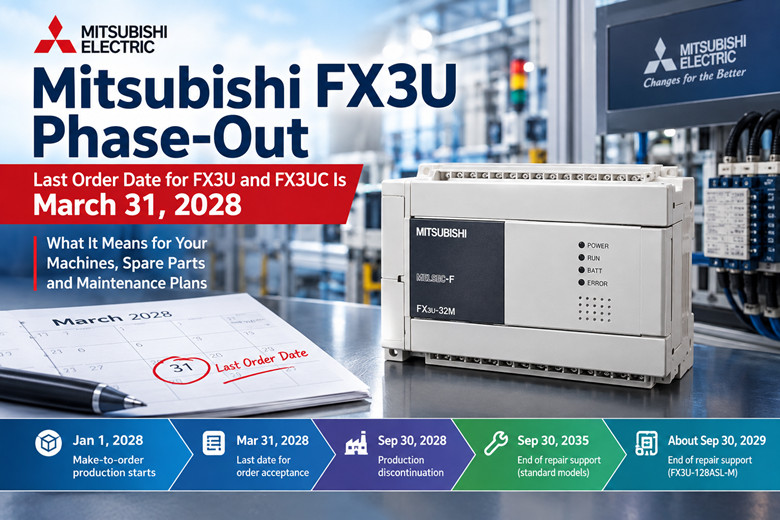
*Sektör haberleri | 7 Eylül 2026*Mitsubishi Electric, 2004 yılında piyasaya sürülmesinden bu yana dünyanın küçük makinelerinin büyük bir bölümünü çalıştıran mikro PLC MELSEC-F FX3U'nun üretiminin son tarihini belirledi. Nisan 2026'da yayınlanan ve Mayıs 2026'da B sürümü olarak güncellenen "MELSEC-F FX3U/FX3UC Serisi Modelleri ve Uzantı Modellerinin Üretiminin Durdurulması" başlıklı FAM-A-0116-B Teknik Bülteninde Mitsubishi, üretimin resmi olarak durdurulmasını şu şekilde açıkladı: Sipariş üzerine üretim 1 Ocak 2028'de başlayacak, sipariş kabulü 31 Mart 2028'de sona erecek, üretim 30 Eylül 2028'de duracak ve onarım desteği 30 Eylül 2035'e kadar devam edecek. Resmi bültenin PDF dosyası Mitsubishi'nin teknik haberler sayfasında yayınlanmıştır.Bu zaman çizelgesi, PLC sektörünün alışılagelmiş kullanım ömrü sonu bildirimlerinin çok ötesinde önem taşıyor. FX3U niş bir kontrol cihazı değil. 2004 yılından beri paketleme hatları, etiketleme makineleri, küçük su arıtma üniteleri, HVAC panelleri, vana ve kapı kontrolleri ve dünyanın her pazarına gönderilen OEM yapımı makinelerin varsayılan beyni olmuştur ve MELSEC-F mikro ailesinin amiral gemisi haline gelmiştir. Bu kadar kurulu tabana sahip bir platform için son sipariş tarihi belirlendiğinde, bu haber Mitsubishi'nin kataloğunun ötesine geçerek, hala bu cihazı kullanan her tesisin yedek parça stratejisine kadar ulaşır.Alıcılar ve bakım mühendisleri için pratik özet: FX3U ve FX3UC ürünlerinin normal katalog siparişi 2027 yılına kadar devam ediyor. 1 Ocak 2028'den itibaren Mitsubishi bu modelleri yalnızca sipariş üzerine üretecek ve yeni siparişlerin kabul edilebileceği son gün 31 Mart 2028 olacak. Bu süre zarfında sipariş edilen üniteler takip eden aylarda üretilecek ve yeni üretim 30 Eylül 2028'de sona erecek. Onarım desteği daha sonra yedi yıl boyunca, 30 Eylül 2035'e kadar devam edecek, ancak bir istisna var: Anywire Corporation ile ortaklaşa geliştirilen FX3U-128ASL-M, üretim durduktan sonra yalnızca yaklaşık bir yıl onarım desteği alacak. FX3U'nun aşamalı olarak kullanımdan kaldırılmasının, tipik bir kullanım ömrü sonu bildiriminden daha büyük bir olay olmasının nedenleri Mitsubishi'nin belirttiği gerekçe, uzun ömürlü elektronik ürünlerin çoğunun sonunu getiren gerekçe: tedarik zincirinin çökmesi. Bültene göre, hedef modeller için üretilen parçalar birbiri ardına durduruldu, bu da üretimi sürdürmeyi zorlaştırıyor ve hedef modellerin kullanım kılavuzlarının da üretimi durdurulacak.FX3U duyurusu, eski MELSEC donanımının daha geniş kapsamlı bir şekilde daraltılmasının son adımıdır. Mitsubishi, 2026 yılına kadar yüksek hızlı Universal Q CPU'lar için FA-A-0418-A bülteni kapsamında 30 Eylül 2026 son sipariş tarihini belirledi ve MELSEC-L serisini FA-A-0466-A bülteni kapsamında sipariş üzerine üretime geçirdi. Bu modelde Mitsubishi, geliştirme ve üretimi mevcut platformlara, özellikle küçük makine sınıfı için MELSEC iQ-F (FX5) serisine yoğunlaştırıyor ve her eski aileye açık uçlu bir bulunabilirlik sözü yerine tanımlanmış, yayınlanmış bir son tarih veriyor.Bunların hiçbiri FX3U'yu kötü bir kontrol cihazı yapmaz veya mevcut makineleri gelecek yıl kullanılamaz hale getirmez. Yeni tedarik için bir zaman sınırı koyar ve 2030'lara kadar çalışacak makineler için yeni üniteler satın alma ve yedek parça stoklama penceresi sınırlıdır ve yayınlanmıştır. FX3U ekipmanının bakımını yapan herkes için planlama zamanı şimdi. Aşamalı olarak devre dışı bırakma programına genel bakış Önemli Dönüm Noktası | Tarih | Pratikteki AnlamıSipariş üzerine üretim başlıyor | 1 Ocak 2028 | Mitsubishi, FX3U/FX3UC ve ilgili genişletme ürünlerinin stok üretimini durduruyor. Siparişler alınmaya devam edecek, ancak üretim siparişe göre yapılacak.Sipariş kabulünün son tarihi | 31 Mart 2028 | Mitsubishi, etkilenen modeller için yeni siparişleri kabul edeceği son gün. Bu tarihten sonra normal kanallar aracılığıyla yeni sipariş verilemeyecektir.Üretim Durdurulması | 30 Eylül 2028 | Üretim sona eriyor. 31 Mart'tan önce verilen siparişler aradaki aylarda üretilecek; bu tarihten sonra hiçbir yeni üretim yapılmayacak.Standart modeller için onarım desteğinin sonu | 30 Eylül 2035 | Üretimin durdurulmasından yedi yıl sonra. Onarım talepleri, yedek parçaların bulunabilirliğine bağlı olarak bu süre zarfında işleme alınacaktır.Onarım desteğinin sonu, FX3U-128ASL-M | Yaklaşık 30 Eylül 2029 | Anywire Corporation ile birlikte geliştirilen AS-Link ana modülü, üretim durdurulduktan sonra yaklaşık bir yıl onarım desteği alacak; bu süre, ailenin diğer üyelerine göre yaklaşık altı yıl daha azdır.Bu makalenin yazıldığı tarihteki hesaplamalar, aciliyetin ne kadar somut olduğunu ortaya koyuyor. 7 Eylül 2026 itibarıyla, sipariş kabulü için yaklaşık on dokuz ay daha kaldı: 2027 sonuna kadar yaklaşık on beş ay normal katalog siparişi, ardından 1 Ocak - 31 Mart 2028 tarihleri arasında üç aylık siparişe göre üretim dönemi. 31 Mart'a kadar verilen siparişler, sipariş son tarihinden 30 Eylül üretim durdurma tarihine kadar olan altı ay içinde üretilecek.Onarım planlaması için, aynı hesaplama, standart modeller için bugünden itibaren dokuz yıllık bir onarım ufku veriyor ve bu da 30 Eylül 2035'te sona eriyor. FX3U-128ASL-M ise istisna teşkil ediyor ve desteği yaklaşık üç yıl sonra, 30 Eylül 2029 civarında sona eriyor; bu modülü kullanan herhangi bir tesis, bunu yedek parça incelemesinin ilk maddesi olarak ele almalıdır. "FX3U'nun üretimi ne zaman durdurulacak" sorusunun kesin cevabı şudur: sipariş alımı 31 Mart 2028'de, yeni üretim ise 30 Eylül 2028'de sona eriyor; bundan sonraki her şey stok, eski stok ve onarım kanalı üzerinden yürütülüyor. Hangi FX3U ve FX3UC modelleri etkileniyor? Bültenin kapsamı geniş olup, FX3U ekosisteminin ne kadar derinlere uzandığının bir göstergesidir. Güç kaynağı varyantlarıyla birlikte FX3U ana ünitelerini, konektör tipi FX3UC ana ünitelerini, bu işlemcilere takılan FX2N ve FX3U ve FX3UC genişletme donanımlarını, programlama ve iletişim aksesuarlarını ve birçok sitenin program depolama için kullandığı bellek kasetlerini kapsamaktadır. FX3U ana üniteleri Mitsubishi, etkilenen FX3U ana ünitelerini güç kaynağı tipine göre gruplandırıyor; aşağıdaki örnek model numaraları kendi değiştirme kılavuzundan alınmıştır.Etkilenen grup | Kapsanan sonek türleri | Bültende adı geçen örnek modellerFX3U AC ile çalışan ana üniteler | /ES tipleri | FX3U-32MR/ES, FX3U-64MT/ES, FX3U-80MR/ESFX3U DC ile çalışan ana üniteler | /DS ve /DSS tipleri | Bültenin model listelerinde yer almaktadır.FX3U UA1 tipleri | UA1 varyantları | Bültenin model listelerinde yer alanlar/ES AC ile çalışan serisi, çoğu okuyucunun tanıyacağı seridir, çünkü AC şebekesine bağlı FX3U makinelerinin büyük çoğunluğunu oluşturur. /DS ve /DSS DC ile çalışan varyantlar, kontrol ünitesini 24 V DC bara ile besleyen kurulumları kapsar ve UA1 tipleri, Mitsubishi'nin belirli pazarlara sattığı ek voltaj varyantlarıdır; bunların tümü aynı üretimden kaldırma kapsamına girer.Örnek modeller, etkilenen ürün yelpazesinin şeklini göstermektedir. FX3U-32MR/ES, küçük makineler için varsayılan kontrol ünitesi haline gelen 32 noktalı röle çıkışlı ana ünitedir; FX3U-64MT/ES, daha yüksek hızlı uygulamalar için 64 noktalı transistör çıkışlı kardeş ünitesidir; ve FX3U-80MR/ES, bültenin daha büyük ana üniteleri de kapsadığını göstermektedir. Bu üçünü örnek olarak seçmek, aşamalı olarak piyasadan çekilmenin sadece uç noktaları değil, ailenin ana akımını da kapsadığını göstermektedir. FX3UC ana üniteleri FX3UC, panel alanının kısıtlı olduğu ve vidalı terminallerin yerine konektörlü kablolamanın kullanıldığı makineler için tasarlanmış, konektör tipi kompakt bir modeldir. Bu bülten, farklı bağlantı noktası boyutları ve sonek varyantlarına sahip DC ile çalışan FX3UC ana ünitelerini kapsamaktadır.Etkilenen grup | Puan boyutları | Kapsanan sonek türleri | Bültende adı geçen örnek modelFX3UC DC ile çalışan ana üniteler | 16, 32, 64 ve 96 nokta | /D, /DS-T, /DSS ve /DS-TS tipleri | FX3UC-64MT/DFX3UC makineleri, bağlantı formatının kablolamayı düzenli tuttuğu ve değiştirme işlemini hızlandırdığı kompakt OEM ekipmanlarında yaygındır. FX3UC-64MT/D örneği, değiştirme kılavuzunun temelini oluşturmaktadır: Mitsubishi, bu modeli doğrudan FX5UC-64MT/D'ye eşleyerek, geçiş yolunda bağlantı stili form faktörünü korur. Uzatma üniteleri, kablolar, dönüştürücüler ve hafıza kasetleri Etkilenen liste ana ünitelerin ötesine geçiyor. FX3U sistemi genişletme yoluyla büyüdüğü için, bülten birçok kurulumda bulunan genişletme donanımlarını kapsıyor ve FX2N kataloğuna kadar uzanıyor: FX3U kurulumlarında sıklıkla FX2N genişletme üniteleri FX3U ana üniteleriyle aynı DIN rayında birlikte kullanılıyor; bu nedenle genişletme listesi diğer öğelerin yanı sıra FX2N 32 noktalı sınıf I/O ünitelerini de içeriyor.Ekipman sınıfı | Neler etkileniyor | NotlarG/Ç genişletme üniteleri ve genişletme modelleri | FX2N, FX3U ve FX3UC G/Ç genişletme üniteleri ve genişletme modelleri | FX2N 32 noktalı sınıf G/Ç ünitelerini içerir; ana ünitenin yerleşik G/Ç'sinin ötesinde sistemleri genişletmek için kullanılan modülleri kapsar.Programlama ve iletişim kabloları | FX-422CAB-150 ve ilgili kablolar | Bilgisayarları ve programlama araçlarını FX serisi PLC'lere bağlamak için kullanılan kablo ailesiSinyal dönüştürücüler | FX-USB-AW | PC'den PLC'ye programlama ve teşhis kurulumlarında kullanılan USB sinyal dönüştürücüHafıza kasetleri | FX3U-FLROM-64L ve FX3U-FLROM-1M | Mitsubishi bu kasetler için alternatif model belirtmiyor.Bellek kaseti konusu özel bir dikkat gerektiriyor. FX3U-FLROM-64L ve FX3U-FLROM-1M, program depolama ve ROM işlemleri için FX3U ana ünitelerine takılan flash bellek kasetleridir ve bültende bunların alternatif modellerinin olmadığı belirtiliyor; bu, normal bir değiştirme notundan daha güçlü bir ifade. Program yedekleme yöntemi olarak kaset kullanan veya programları ROM modundan çalıştıran siteler, satın alma işleminden ziyade mühendislik yanıtına ihtiyaç duyacaklardır, çünkü doğrudan bir halefi mevcut değildir.Bakım ekipleri için pratik sonuç basittir. Bir dizüstü bilgisayarın programlama veya teşhis için bir FX3U ile iletişim kurması gerektiğinde mühendislerin başvurduğu şey FX-422CAB-150 kablosu ve FX-USB-AW dönüştürücüsüdür ve bunlar katalogdan çıkarıldığında günlük servis döngüsü değişir. Sipariş son tarihinden önce gerekli yedek parçaları satın alın; son sipariş saati, tıpkı işlemcilerde olduğu gibi kablolar ve dönüştürücüler için de geçerlidir. FX5U'nun yerine geçecek sistem: bültenin önerdiği geçiş yolu Mitsubishi'nin önerdiği alternatifler, yıllardır tutarlı bir şekilde yaptığı bir öneri olan MELSEC iQ-F serisi: FX5U, FX5UJ ve FX5UC'dir. iQ-F serisi, küçük makine sınıfı için belirtilen halef platformdur ve mühendislik çalışmalarını FX3U kullanıcılarının bildiği GX Works2 ortamı yerine GX Works3 yazılımına taşır. Aşağıdaki örnek eşleştirmeler, geçiş planlayan mühendisler için bültenin en faydalı kılavuzudur.Mevcut FX3U modeli | Doğrudan FX5 değişimi | Bültendeki alternatif yapılandırmaFX3U-32MR/ES | FX5U-32MR/ES | FX5UJ-40MR/ESFX3U-64MT/ES | FX5U-64MT/ES | FX5UJ-60MT/ES ve FX5-8EYT/ESFX3U-80MR/ES | FX5U-80MR/ES | ListelenmemişFX3UC-64MT/D | FX5UC-64MT/D | Listelenmemiş/MS sink-triyak çıkış varyantları | /MT transistör üniteleri ve harici röle adaptör kartları | Bazı haritalamalarda FA-CBL10(Y)M20 aksesuarlarıyla birlikte FA-TH16YSR20S röle adaptörüTabloyu bir tasarım mühendisi gibi okuyun. En temiz geçişler doğrudan olanlardır: bir FX3U-32MR/ES, aynı nokta sayısı, röle çıkış tipi ve model numarası şekliyle bir FX5U-32MR/ES'ye dönüşür. FX5UJ alternatifleri ekonomik yoldur: FX5UJ, iQ-F serisinin ince, maliyet odaklı giriş noktasıdır ve bülten, 32 noktalı bir FX3U uygulamasını absorbe eden 40 noktalı bir FX5UJ-40MR/ES'yi göstermektedir. 64 noktalı durum için, gerekli G/Ç sayısına ulaşmak için 60 noktalı bir FX5UJ-60MT/ES'yi sekiz noktalı bir uzantı olan FX5-8EYT/ES ile eşleştirir./MS eşleştirmesi insanları şaşırtıyor. /MS sink-triyak çıkış varyantları, röle aşınması olmadan AC yüklerini değiştirmesi gereken yerlerde kullanılıyordu. iQ-F dünyasında, bülten bu uygulamaları /MT transistör çıkışlı üniteler ve harici röle adaptör donanımına, özellikle bazı eşleştirmelerde FA-TH16YSR20S röle adaptör kartına ve FA-CBL10(Y)M20 aksesuarlarına yönlendiriyor. Basitçe söylemek gerekirse, AC anahtarlama işlevi PLC'den standart transistör çıkışlarıyla sürülen harici bir röle kartına taşınıyor ve bu değişikliği belirtmek, yük akımlarını, anahtarlama frekansını ve panel alanını kontrol etmeyi gerektiriyor, çünkü harici kart eski triyak çıkışlarının kaplamadığı alanı kaplıyor.Haritalama tablosunun her satırının ardında üç mühendislik gerçeği yatmaktadır. Birincisi, iQ-F platformu GX Works2 yerine GX Works3 ile programlanır; FX3U için yazılan merdiven diyagramı, FX5'e tamamlanmış bir program olarak yüklenmez ve FX3U'ya özgü modüllere veya kaset tabanlı ROM işlemine dayanan programlar en fazla yeniden işleme gerektirir. İkincisi, FX5U ailesi, FX3U'nun asla sahip olmadığı yetenekler ekler; bunlar arasında FX5U ana ünitelerinde yerleşik Ethernet de bulunur. Üçüncüsü, FX5UC, FX3UC kullanıcıları için konektör tarzı form faktörünü korur, böylece montaj felsefesi programın değişmediği yerlerde bile geçerliliğini korur. Bir Mitsubishi PLC parça alıcısı için geçiş, bir takas siparişi değil, mühendislik bütçesi olan bir projedir; bu nedenle 2028 son tarihinden önce başlamak önemlidir. Aşamalı olarak devre dışı bırakılmasının bugün FX3U kullanan tesisler için anlamı nedir? FX3U kurulu tabanı 2028'de ortadan kaybolmayacak. FX3U kontrol üniteleri üzerine kurulu makineler, üretim durduktan sonra on yıl veya daha fazla süre çalışmaya devam edecek, çünkü PLC'ler katalog değiştiğinde değil, makine kullanımdan kaldırıldığında devre dışı bırakılıyor. Bültenin değiştirdiği şey, bu makinelerin etrafındaki arz denklemidir.Üretim hattındaki zaman çizelgesini ele alalım. 2026 yılında yeni satın alınan bir makinenin onarım ve destek süresi, bugünden itibaren yaklaşık dokuz yıl olan 30 Eylül 2035'e kadar uzanır ve daha eski bir makine için de aynı süre geçerlidir. Darboğaz onarım penceresi değil; yeni tedariktir. 31 Mart 2028'den sonra, yeni FX3U ünitelerinin tek kaynağı satılmamış distribütör stoklarıdır ve 30 Eylül 2028'den sonra, herhangi bir FX3U donanımının tek kaynağı eski stok, ikinci el piyasası ve onarım kanalıdır. Bunların hiçbiri, 2030 yılında raflarda yedek parça bulunmayan arızalı bir CPU ile karşılaşan bir fabrikayı karşılayacak ölçekte değildir.Hazırlıksız olanlar için tuzak işte budur. FX3U, 2028'de birden bire arızalanmayacak; 2030'lu yıllar boyunca tek tek makineler arızalanacak: bir voltaj dalgalanmasından sonra güç kaynağı, kısa devre yapan bir aktüatörden sonra çıkış modülü, yıllarca süren ısı döngüsünden sonra CPU. Her arıza, yeni parçalar mevcutken önemsiz bir onarım gerektirirken, mevcut olmadığında bir planlama sorununa dönüşüyor. Aşama aşama kullanımdan kaldırma, rutin bir yedek parça sorununu, 31 Mart 2028'de kapanacak sınırlı bir tedarik penceresine dönüştürüyor.Orijinal ekipman üreticileri (OEM'ler) için riskler farklı ama bir o kadar da gerçek. 2026 ve 2027 yıllarında FX3U platformu etrafında yeni makineler tasarlamaya devam eden herhangi bir OEM, bu makineleri sipariş defteri iki yıldan kısa bir süre içinde kapanacak bir platforma bağlıyor demektir. 2027'de başlatılan ve beş yıllık bir üretim süresi olan bir makine programı, Mitsubishi'nin üretimini durdurmasından dört yıl sonra, 2032 yılına kadar FX3U donanımına ihtiyaç duyacaktır. Bu hesaplama, ya büyük bir ön yedek parça alımını ya da en pahalı olan orta dönem platform değişikliğini gerektirir. Bülten, OEM'ler için aslında bir tasarım dondurma bildirimi niteliğindedir: yeni makine tasarımları, sipariş penceresi kapanmadan önce iQ-F hattına geçmeli, mevcut FX3U tabanlı ürünler ise belgelenmiş bir son alım planına ihtiyaç duymalıdır. Çalışmaya devam edin veya geçiş yapın: karar verme sürecini adım adım gerçekleştirin. Aşama aşama devre dışı bırakma tek bir cevabı zorunlu kılmıyor; makine makine bir karar alınmasını gerektiriyor. Mekanik olarak sağlam ve kullanım ömrünün sonuna henüz ulaşmamış ekipmanlar için çalışmaya devam etme gerekçesi güçlüdür: yeni bir kontrol ünitesine değil, yedek parça planına ihtiyaç duyar. Zaten modernizasyona uygun olan, yeni bağlantıya ihtiyaç duyan veya FX3U'yu aşmış makineler için geçiş gerekçesi güçlüdür.Faktör | Yalın çalışmaya devam et | Yalın FX5'e geçişMakinenin kalan ömrü | Beş yıl veya daha fazla sorunsuz mekanik ömür | Makine zaten yenileme veya değiştirme aşamasındaYedek parça pozisyonu | 31 Mart 2028'den önce stok CPU, G/Ç ve aksesuarlara temiz erişim yolu | Son alım için stok pozisyonu alma bütçesi veya isteği yokProgram karmaşıklığı | Basit merdiven diyagramı, iyi belgelenmiş, kaybolması durumunda kolayca yeniden oluşturulabilir | FX3U'ya özgü modüllerin, kasetlerin veya AS-Link donanımının yoğun kullanımıBağlantı ihtiyaçları | Bağımsız makine, mevcut iletişim yeterli | Tesis artık Ethernet, veri toplama veya uzaktan erişim gerektiriyorMühendislik kaynakları | Şirket içinde GX Works3 deneyimi ve geçiş bütçesi yok | Personel, GX Works3'e geçmeye ve programları yeniden doğrulamaya hazırFLROM kaset kullanımı | Yok veya program yalnızca dosya yedeklemesi olarak saklanıyor | ROM kaset işlemi tasarımın bir parçasıdır ve kaset alternatifi yokturÇalışmaya devam etmenin ekonomik yönleri adil bir şekilde ele alınmayı hak ediyor. Yedek bir CPU, yedek bir G/Ç modülü ve bir makinenin ihtiyaç duyduğu aksesuarları stoklamak, mühendislik zamanı, program dönüştürme, yeniden doğrulama, panel yeniden kablolama, doküman güncellemeleri ve daha önce sorunsuz çalışan bir makinede başlatma sorunları riski gibi unsurları içeren bir geçişe kıyasla daha ucuzdur. Basit kontrol gereksinimlerine sahip sağlıklı bir makine için, son satın alma yedek parça yolu genellikle daha düşük maliyetli ve daha düşük riskli çözümdür. Ancak, son satın almanın bir son tarihi var: 31 Mart 2028.Makine zaten yenileme adayıysa, geçiş (migration) daha avantajlıdır. Tesis zaten paneli yeniden tasarlıyorsa, son FX3U'yu satın almak yerine FX5U takmak çok az ek maliyet getirir ve süreci sıfırlar: FX5 platformu günceldir, üretimi kullanım ömrünün sonuna yaklaşmış değildir ve onarım ufku yeniden başlar. Geçiş, yetenek açısından da avantajlıdır, çünkü FX5U ana üniteleri dahili Ethernet sunar ve Mitsubishi'nin geliştirme çalışmaları iQ-F serisinde yoğunlaşmıştır. iQ-F'yi standartlaştıran bir tesis, yaşlanan bir filo için yalnızca GX Works2 becerilerini korumak yerine, tek bir mühendislik ortamı olan GX Works3'e sahip olur.Yanlış cevap, 2028'e kadar hiçbir şey yapmamak ve takvimin karar vermesine izin vermektir. Denetimlere başlamak için Ocak 2028'e kadar bekleyen bir tesis, sipariş defterleri daralırken ve ikinci bir satın alma turu için zaman kalmazken, geçişleri değerlendirmeye çalıştığı aynı çeyrekte son satın alma siparişlerini verecektir. Siparişe göre üretim dönemi başlamadan önce, filodaki her makineye, eklenmiş bir tarihle birlikte, açık bir şekilde "çalışır durumda tutun" veya "geçiş yapın" etiketi takılmalıdır. Onarım gerçeği: Sınırları olan yedi yıllık bir süreç Mitsubishi'nin onarım desteği, standart FX3U ve FX3UC modelleri için üretim durdurulmasından yedi yıl sonra, 30 Eylül 2035'e kadar devam ediyor. Bu taahhüt, üretimden kaldırmanın ani bir eskime olayı olmamasının nedenidir. Ancak bir onarım destek penceresi, arızalanan her kartın talep üzerine onarılabileceğinin garantisi değildir. Onarımlar, onarım parçalarının bulunabilirliğine bağlıdır ve bültenin kendi gerekçesi olan, bileşenlerin birbiri ardına üretiminin durdurulması, onarım kanalını da belirleyen kısıtlamadır. Yıllar geçtikçe, en eski modüller için onarım daha yavaş ve daha az kesin hale gelecektir; bu nedenle, yedi yıl boyunca sorunsuz bir kapsama varsaymak yerine, yedek parça hesaplamalarına bunu da dahil etmek gerekir.FX3U-128ASL-M istisnası, bültendeki en keskin ayrıntı ve gözden kaçması en kolay olanıdır. Anywire Corporation ile ortaklaşa geliştirilen bir AS-Link ana ünitesi olan bu modül, üretim durduktan sonra yalnızca yaklaşık bir yıl onarım desteği almaktadır; bu da destek süresinin 30 Eylül 2029 civarında sona ereceği anlamına gelir. Ortak geliştirilen bir ürün, ortağın tedarik ve servis taahhütlerine bağlıdır ve bu taahhütler Mitsubishi'nin kendi donanımından farklı bir zaman çizelgesine göre işler. Hizmette FX3U-128ASL-M modülleri bulunan herhangi bir tesis, bunları denetimde en yüksek öncelikli yedek parça öğesi olarak ele almalıdır: sipariş son tarihinden önce satın alınan bir yedek parça, 2031'de onarım yolu olmayan ve rafta halefi bulunmayan bir ağ ana ünitesinin arızalanmasından çok daha az maliyetlidir.Ayrıca dokümantasyon boyutu da var. Bülten, hedef modellerin kullanım kılavuzlarının artık yayınlanmayacağını belirtiyor. Kablolama kılavuzları, programlama referansları ve özel fonksiyon modülü dokümanları, Mitsubishi'nin dokümantasyon sunucularından kaybolmadan önce indirilip arşivlenmelidir; arşivlenmiş kılavuzlar ucuz bir sigorta niteliğindedir ve bu aşamalı üretimden kaldırma sürecinde, şimdi edindiğiniz takdirde geçerliliğini yitirmeyecek tek varlıktır. Bu hafta ne yapmalı? Bülten, erken harekete geçmeyi ödüllendiriyor ve günümüzde çoğu işlem ucuz. FX3U veya FX3UC donanımı kullanan herhangi bir fabrika veya OEM için pratik bir kontrol listesi:1. Kurulu taban listesini çekin. Her FX3U ve FX3UC CPU'yu sayın, tam modelini ve son ekini (bu, AC veya DC güç kaynağını, çıkış tipini ve nokta sayısını belirler) not edin ve FX2N genişletme ünitelerine, FLROM kasetlerine veya FX3U-128ASL-M'ye sahip makineleri işaretleyin.2. Modellerinizi FAM-A-0116-B bülteniyle karşılaştırın. PDF dosyası herkese açıktır; kullandığınız her modülün, kolayca unutulabilecek uzatma üniteleri ve aksesuarlar da dahil olmak üzere, kapsam dahilinde olduğundan emin olun.3. 2026 yılı sonuna kadar her makineyi çalışır durumda tutun veya taşıyın, sahibini ve tarihini belirtin.4. Çalışır durumda kalacak makineler için yedek parça listesini şimdi oluşturun: CPU'lar, G/Ç modülleri, güçle ilgili yedek parçalar, bir FX-422CAB-150 kablosu, bir FX-USB-AW dönüştürücü ve servis kitinin ihtiyaç duyduğu diğer her şey. Normal sipariş verme süresi açıkken fiyatlandırın.5. FX3U-128ASL-M'yi acil olarak değerlendirin. Onarım desteği, ailenin geri kalanından yaklaşık altı yıl önce, 30 Eylül 2029 civarında sona erecek ve yedek parça siparişi 31 Mart 2028'den çok önce verilmelidir.6. FLROM sorununu çözün. FX3U-FLROM-64L ve FX3U-FLROM-1M'nin alternatif modelleri bulunmadığından, kaset tabanlı program depolama, 2028'deki geçiş döneminde değil, şimdi başlanması gereken bir mühendislik görevidir.7. Üretimi durdurulmadan önce etkilenen her modelin kullanım kılavuzlarını arşivleyin ve bakım ekibinin bulabileceği bir yerde saklayın.8. Takvime tarihleri işaretleyin: 2027'ye kadar normal sipariş, 1 Ocak - 31 Mart 2028 arası siparişe göre üretim, 30 Eylül 2028'de üretim durdurma. Her tarih için en az bir çeyrek öncesinden iç tedarik son tarihlerini belirleyin.9. OEM'ler için, yeni makine tasarımlarını FX5 üzerinde dondurun ve mevcut FX3U tabanlı ürünler için miktar ve tarih içeren belgelenmiş bir son satın alma planı oluşturun.10. Bir geçiş pilot çalışması yürütün. Basit bir makinenin programını FX5U veya FX5UJ üzerinde GX Works3'e dönüştürün ve bültenin eşleştirmesini gerçek G/Ç sayıları ve panel kısıtlamalarına göre doğrulayın. 2027'de yapılacak bir pilot çalışma, 2028 son tarihini önemsiz hale getirecektir. Alıcılar için en önemli nokta Mitsubishi, piyasaya her zaman elde edemediği bir şeyi sundu: Yıllarca önceden uyarı içeren kesin, yayınlanmış bir bitiş tarihi ve iQ-F serisinde tutarlı bir değiştirme yolu. Sonuçlar açık. Yeni FX3U ve FX3UC donanımı, 2026 yılının geri kalanında ve 2027 yılının tamamında normal sipariş yoluyla temin edilebilir. 1 Ocak - 31 Mart 2028 tarihleri arasındaki sipariş üzerine üretim penceresi, sipariş vermek için son fırsattır. Üretim 30 Eylül 2028'de sona eriyor ve onarım desteği 30 Eylül 2035'e kadar devam ediyor; FX3U-128ASL-M istisnası ise yaklaşık 30 Eylül 2029'da sona eriyor.Bu yıl harekete geçen tesisler için, aşamalı geçiş yönetilebilir: yedek parçalar stoklanabilir, kılavuzlar arşivlenebilir, çalışır durumdaki makineler güvence altına alınabilir ve geçiş adayları, acil durum planı yerine mühendislik planına göre FX5U veya FX5UJ yedek parçalarına taşınabilir. Bekleyen tesisler için ise, aynı aşamalı geçiş, üç aylık bir süre içinde son dakika siparişlerinin telaşına, eski stoklara artan bağımlılığa ve onarım yolu her yıl daralan makinelere dönüşür.FX3U, güvenilirliği, uygun fiyatı ve her yerde bulunabilirliği sayesinde hak ettiği yeri kazandı. Üretiminin durdurulması bu durumu değiştirmiyor; sadece tedarik kurallarını değiştiriyor ve yeni kuralların bir son tarihi var. Çalışma, bir denetim ve bir takvimle başlıyor. tztechio.com adresindeki PLC yedek parça kategorileri ve endüstriyel otomasyon parçaları bölümleri bu geçişi takip ediyor ve Mitsubishi sayfası, her ikisi de normal tedarik kanalları aracılığıyla bulunabilirken FX3U stoklarını ve FX5 alternatiflerini bulmak için pratik bir başlangıç noktası sunuyor.URL Uzantısı: mitsubishi-fx3u-fx3uc-phase-out-news----------------------------------------------------------------------------------------------🏢 TZ Tech Hakkında TZ Tech, endüstriyel otomasyon, elektrik, enstrümantasyon ve telekomünikasyon bileşenlerinin önde gelen tedarikçisidir. Hazır sevkiyata uygun distribütör stoğu tedarikinde uzmanlaşarak, son derece rekabetçi fiyatlar ve kısa teslimat süreleri sunabiliyoruz. Geniş envanterimiz sayesinde, başka yerlerde bulunması zor olan nadir ve üretimi durdurulmuş parçaları bile temin edebiliyoruz. 🛡️ Kalite Taahhüdümüz Kalitenin sizin için en önemli öncelik olduğunu biliyoruz. Her bir parça, tam bir güvenle satın alabilmeniz için sıkı bir eleme ve denetim sürecinden geçmektedir. Eski veya üretimi durdurulmuş parçalar için tam şeffaflığa inanıyoruz ve ürünün durumu hakkında her zaman dürüst ve doğru bir rapor sunacağız. Ayrıca, tüm yeni parçalar 1 yıllık tam garanti kapsamındadır. ✉️ İletişime Geçin Bir projeniz mi var veya bir parçaya mı ihtiyacınız var? Bize bugün sorunuzu gönderin! Ekibimiz, hafta sonları hariç 6 saat içinde hızlı yanıt vermeye kendini adamıştır..
September 10,2026

Lütfen okumaya devam edin, gelişmelerden haberdar olun, abone olun ve düşüncelerinizi bize bildirmenizi bekliyoruz.


Ayrıca, izninizle, ziyaretinizi slOC ile daha kişisel bir etkileşim haline getirmek için çerezler yerleştirmek istiyoruz. Bunun için analitik ve reklam çerezleri kullanıyoruz. Bu çerezler sayesinde biz ve üçüncü taraflar, super-instrument.com içindeki ve dışındaki internet davranışınızı takip edebilir ve toplayabiliriz. Bununla biz ve üçüncü taraflar super-instrument.com'u ve reklamları ilginize göre uyarlıyoruz. Kabul Et'i tıklatarak bunu kabul etmiş olursunuz. Reddederseniz yalnızca gerekli çerezleri kullanırız ve ne yazık ki herhangi bir kişiselleştirilmiş içerik almayacaksınız. Daha fazla bilgi edinmek veya gelecekte onayınızı değiştirmek için lütfen Çerez politikamızı ziyaret edin.
Accept and continue Decline cookies








 +86 -17550776091